

Smart home security camera adoption is exploding in 2024, yet many North American homeowners still face real questions about privacy, cost, and choosing the right device. Market numbers are up, but transparency around product specs and long-term value isn’t keeping pace. This guide breaks down what truly matters—so you avoid costly surprises and make a smarter choice for your home.
Key Takeaways
- The smart home security camera market is booming, but real data on costs, performance, and privacy is still hard to find.
- Wireless (Wi-Fi) cameras are growing faster than ever, yet reliability and transparency remain user concerns.
- Most competitor reviews skip over hidden fees and privacy issues—know the facts before you buy.
- Smart Home Security Camera Market in 2026 Why the Surge Matters
- Wi-Fi vs. Wired Home Security Cameras: What’s Leading and What’s Lagging
- Key Features That Define the Best Smart Home Security Cameras in 2026
- The Untold Cost of Peace of Mind: What Home Security Systems Actually Cost
- Motion Detection: Smart or Stressful?
- The Privacy Blind Spot in Indoor Smart Cameras
- What Competitor Articles Aren’t Telling You
- Conclusion
- FAQ
Smart Home Security Camera Market in 2026: Why the Surge Matters
The global appetite for smart home security cameras has never been higher. In 2026, the market reached an estimated USD 10.51 billion. What’s more, it’s set to expand to more than USD 60.99 billion by 2034—an astonishing 19.23% annual growth rate for the next decade. Homeowners across the U.S. are driving this trend as over half now deploy some form of home security camera, reflecting rising concerns about package theft and property safety. But while adoption soars, do consumers really have the facts they need to make informed choices?
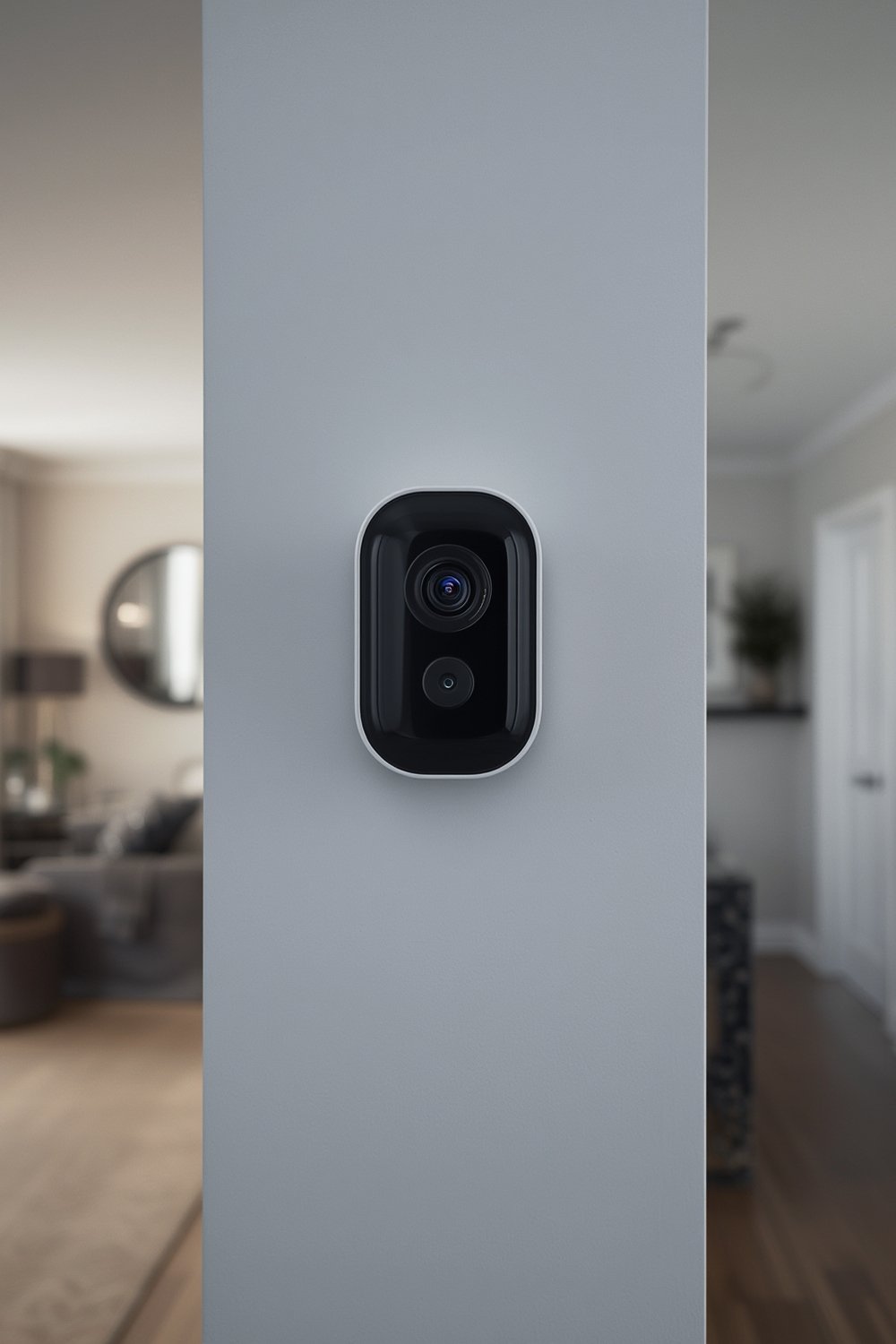
When market growth outpaces information transparency, real-world decisions get tricky. For more market perspective, explore the
latest industry report and see how regional trends shape the options available in your area.
Wi-Fi vs. Wired Home Security Cameras: What’s Leading and What’s Lagging
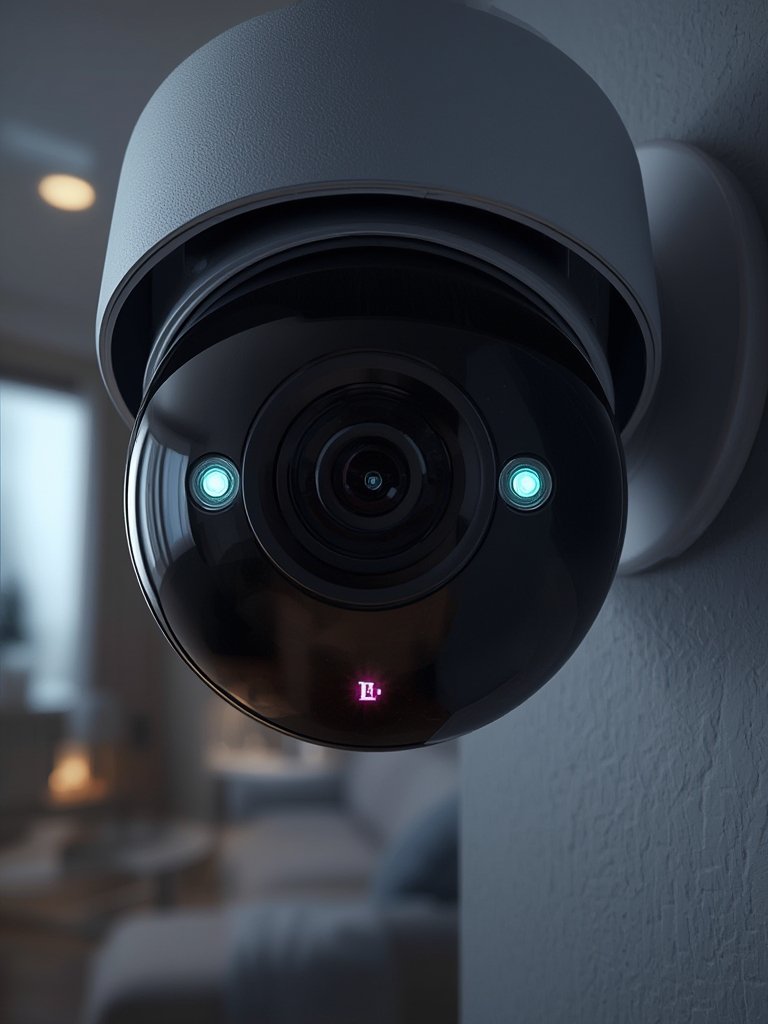
One key decision: wired versus Wi-Fi security camera setups. Wired cameras still accounted for an estimated 51 to 55% of sales in 2024, largely due to their stability and resistance to interference. But Wi-Fi security camera options adoption is accelerating fast, with a 23.3% growth rate outpacing any other segment.
Wireless solutions appeal for their easy installation and smartphone integration, but North American homeowners worry about outages and connectivity issues. Wired cameras, meanwhile, are often more reliable but require professional installation and lack some modern features. For pure reliability, wired leads—but expect most innovation on the wireless side as more brands chase market demand.
Are you looking for more ways to optimize your tech setup? Don’t miss our guide on fast wireless charging pads or upgrade your portable power with a high-capacity power bank that keeps every device online—even during longer power outages.
Key Features That Define the Best Smart Home Security Cameras in 2026
So, what separates the best indoor smart camera from the rest? Buyers want crisp video resolution, broad field of view, good night vision, and low latency. In 2026, indoor cameras captured nearly 40% of total revenue, highlighting how central they are for homeowners focused on indoor protection.
However, there’s a surprising gap: published research and top-ranking reviews do not include direct technical comparisons on resolution or responsiveness. Without clear benchmarks, shoppers may end up guessing what features truly matter—leaving them vulnerable to paying for brand promises rather than tested performance.
If you value honest comparison shopping for indoor smart camera tech, bookmark our detailed guides on the best tech accessories or get the latest in-depth tech gadget reviews—each one built to help you buy smarter.
The Untold Cost of Peace of Mind: What Home Security Systems Actually Cost
The explosion in smart home security camera sales hasn’t translated into pricing transparency. Leading brands almost never publish clear purchase or subscription costs on their main pages. Instead, crucial details—like required cloud storage fees, multi-camera bundles, or advanced motion detection access—are buried behind support links or omitted entirely.
This lack of upfront cost information creates frustration for budget-conscious buyers and can trip up your plans. Before choosing a brand, be ready to dig for detailed pricing or contact support directly for true total costs. Skipping this diligence exposes you to unexpected bills long after installation.
For more tips on finding the right balance between performance and price, check out our electronics accessories guide—including straightforward buying tips for every major tech upgrade.
Motion Detection: Smart or Stressful?
Motion detection is hyped as a “must-have” in every modern motion detection camera—but real data on effectiveness or reliability is missing from most public research and even leading tech review sites. That means there’s no independent reporting on rates of false alarms, missed important events, or how well cameras adapt to pets or changing lighting.
This is a big risk: inaccurate motion detection can lead to constant notifications that homeowners ignore, or worse, failures to trigger when it’s most needed. Until brands open up about their algorithms, always test your camera’s settings and sensitivity in the first week, and search out user forums for real-world troubleshooting advice.
The Privacy Blind Spot in Indoor Smart Cameras
Surprisingly, there’s almost no public reporting on encryption or consumer privacy standards among leading indoor smart camera brands—even as over 39% of market revenue comes from these more sensitive, private areas. Data on breaches, encryption standards, or user control is lacking, leaving privacy-conscious homeowners in the dark about major risks.
Before installing any indoor camera, review the privacy and user agreement documentation yourself. Some brands offer local video storage (versus cloud-only), which delivers a greater level of control. You can also research if the product has been subjected to known breaches via sources like
SafeHome Security Reports.
What Competitor Articles Aren’t Telling You
Most competitor guides focus primarily on market share stats, listing trending brands and vaguely listing tech features. But real user concerns—such as the actual price breakdown, performance under real-life conditions, and privacy transparency—are rarely addressed.
| User Concern | Do Competitor Reviews Cover? | Data Status in Market |
|---|---|---|
| Technical specs (resolution, night vision) | Rarely | No published comparison data |
| Transparent pricing and fees | No | Not published by leading brands |
| Privacy/encryption measures | Almost never | No public data or breach history |
| Motion detection reliability | No | No user experience data |
For a big-picture look at which brands actually deliver, explore our recommended electronics and tech gadgets reviews.
Conclusion
The headlines are clear: smart home security cameras are everywhere in 2024. But genuine insight—on cost, privacy, or which indoor smart camera performs best—remains frustratingly thin. Take time to compare, challenge the sales pitch, and demand real answers before committing. The right smart home security camera gives peace of mind, but a hasty choice or lack of due diligence may compromise privacy or cost you more over time.
Ready to upgrade your home’s defenses? Tap the above resources to factor in what really matters and shop beyond the marketing spin—your safety (and wallet) will thank you.
FAQ
Do Wi-Fi security cameras work during internet outages?
Most Wi-Fi security cameras lose live streaming during outages, but some models record locally to SD cards or internal memory. Always check for offline recording before buying.
Are there smart home security camera brands with no monthly fees?
Some offer free live viewing and short-term cloud storage, but most require a paid plan for advanced features and long-term video history. Ask for an itemized fee summary up front.
How often do smart home cameras trigger false motion alerts?
There is no published industry data on false alerts. User forums often cite issues with pets, bugs, or shifting light. Test sensitivity settings in your own space after setup.
What privacy protections should I look for in an indoor smart camera?
Prefer brands with clear encryption standards, local storage options, and transparent privacy policies. Avoid devices with unclear or missing privacy documentation.
Where can I find accessory devices to improve my security camera setup?
See our guide to best tech accessories for every device to discover wireless extenders, power solutions, and more ways to enhance your smart home security system.