

Magnetic car wireless charger adoption is surging in 2026, but what matters most for tech-savvy drivers isn’t hype—it’s whether these new wireless mounts and MagSafe chargers meet real-world needs. In this guide, we cut through the marketing, diving deep into proven performance, verified pain points, and must-watch innovations, so you can choose the best magnetic car wireless charger for your commute or road trip—no guesswork required.
Key Takeaways
- Magnetic car wireless chargers are evolving fast with better compatibility, faster charging speeds, and improved thermal management—but persistent gaps exist in battery health research and long-term performance testing.
- Qi and Made For MagSafe (MFM) certifications are essential for safety, compatibility, and reliable charging on both iPhone and Android devices.
- Smart buyers should weigh installation, budget, and real-world user feedback—not just brand name or specs—to avoid common frustrations.
- 2026 Market Trends: Why Magnetic Car Wireless Chargers Are on the Rise
- The Most Common User Complaints—and What to Watch Out for
- Safety and Compatibility Standards You Shouldn’t Ignore
- How Do Today’s Top Brands Compare on Charging Speed and Safety?
- Price Breakdown: What You Get at Each Tier (2026 Edition)
- What Competitors Are Overlooking: 3 Critical Buying Factors
- New vs. Old: How MagSafe Car Mounts Have Evolved in 2026
- Final Buying Checklist: How to Choose the Right Magnetic Car Wireless Charger
- FAQ
2026 Market Trends: Why Magnetic Car Wireless Chargers Are on the Rise
The global magnetic car wireless charger market is rapidly expanding, driven by booming smartphone adoption and commuters demanding hands-free, quick-access charging. In 2026, global market size reached US$ 838 million and is expected to push past US$ 1.2 billion by 2031—a solid 5.4% compound annual growth rate. North America leads this trend thanks to high MagSafe adoption, while growth in China and East Asia races ahead at nearly 28% a year. Buyers in these markets want more than just a mount—they want a reliable, efficient, and sleek solution that works on the move.
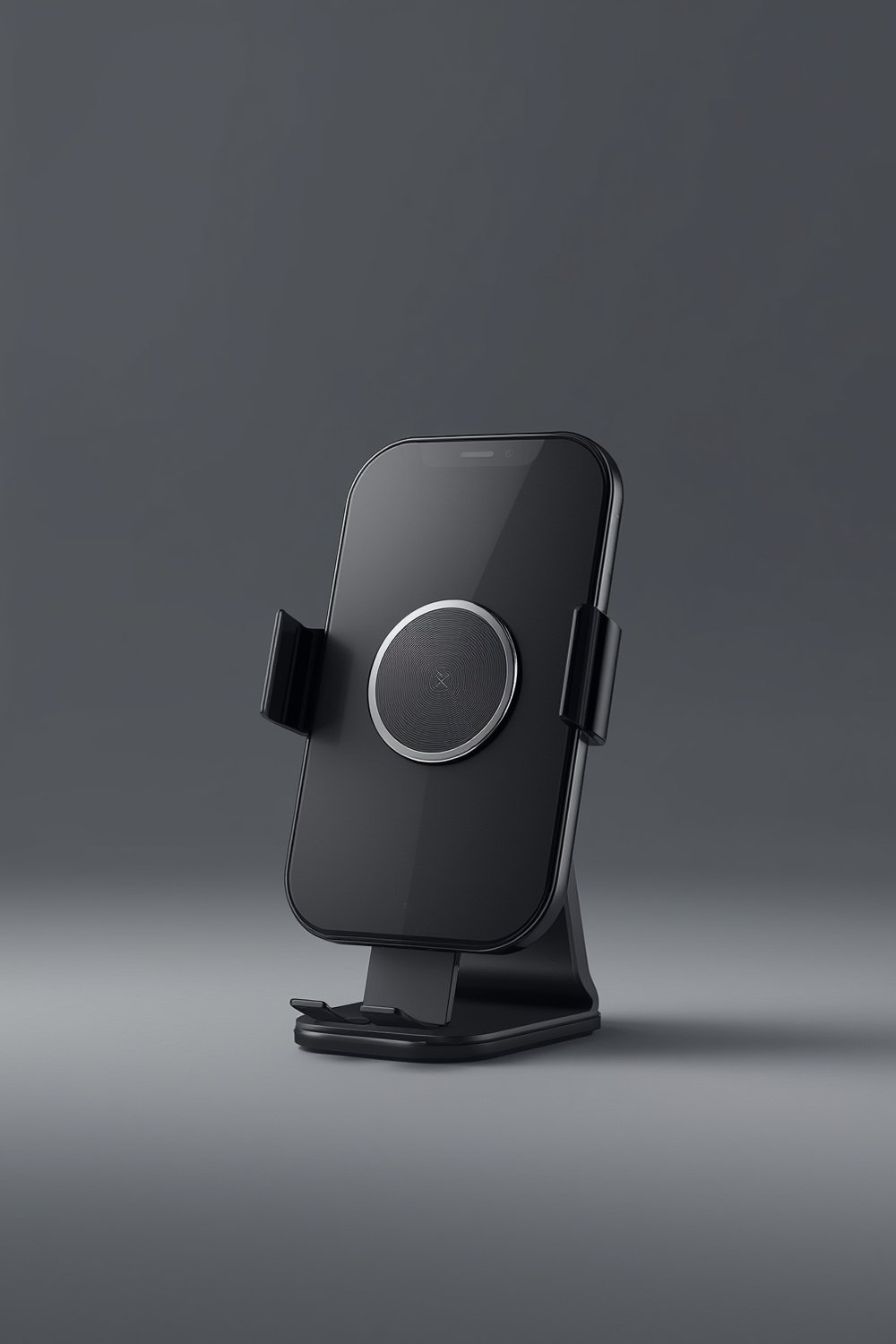
Apple’s MagSafe continues to set expectations, but the compatibility race is heating up: Android users now have access to universal Qi Certification and new magnetic alignment technology. As more devices adopt 15W+ speeds, device makers are also integrating better cooling and using more premium in-car materials—signs the industry is maturing fast. To see how these magnetic solutions fit into the bigger tech ecosystem, check out our guide to the best tech accessories for every device.
The Most Common User Complaints—and What to Watch Out for
Despite the hype, user reviews and research highlight persistent pain points that buyers can’t afford to ignore:
- Overheating: Fast charging can cause the chargers—and your phone—to get uncomfortably warm, especially on summer drives.
- Charging Inefficiency: Extreme hot or cold temps can slow charging speeds or lead to failing connections, frustrating drivers who need a quick top-up.
- Price Premium: Most magnetic phone mount and charger combos come with a higher price tag than their wired cousins, mainly due to premium materials and added certification requirements. Expect to pay extra, especially for name brands.
Manufacturers like Anker and Belkin have responded with new cooling features in 2024, but overheating remains a concern in harsh conditions. Unfortunately, comprehensive complaint stats and long-term consumer feedback are missing from industry reports—which means the best advice often still comes from real user reviews and long-term usage insights. For more proven accessories that stand up to real-world testing, see our round-up of must-have tech gadgets and accessories.
Safety and Compatibility Standards You Shouldn’t Ignore
Certifications are not just marketing—they matter for safe, reliable charging and device longevity. Here’s what you need to know:
- Qi Certification: Universal for wireless charging, required for recent Androids and third-party iPhones. Look for updated Qi magnetic car chargers that promise 15W or higher output for speed and stability.
- MFM (Made For MagSafe): The Apple seal of approval. Only chargers with this badge can deliver the full MagSafe experience at up to 15W, ensuring your iPhone 12 or newer charges quickly without risk.
- Safety: Certified car phone charger models implement overheating protection, short-circuit safeguards, and thermal sensors to prevent battery harm. But beware: knockoffs or unbranded gear often skip these failsafes.
New standards mean you should always confirm Qi or MFM status before buying—especially if you use premium Androids or iPhones. These compatible electronics accessories are rarely worth the risk if uncertified.
| Brand/Type | Certification | Max Charging Speed | Thermal Management |
|---|---|---|---|
| MFM-Certified (MagSafe) | Apple MFM | Up to 15W | Enhanced (2024+) |
| Qi-Compatible Magnetic | Qi 1.3+ | 15W+ | Enhanced (Varies) |
| Unbranded/Legacy | None | 7.5W max | Minimal or None |
How Do Today’s Top Brands Compare on Charging Speed and Safety?
Brand choice matters, but data on direct technical head-to-heads is surprisingly thin. Here’s what market insight and available specs reveal about leading magnetic car wireless charger designs:
- Anker, ESR, and Belkin lead the market with strong magnetic alignment, improved mounting strength, and focused R&D investments.
- Charging wattage is commonly capped at 15W for both MagSafe car mount and advanced Qi models, which matches new flagship device requirements.
- Advanced thermal management—such as active cooling and heat sinks—are appearing mostly in 2025 releases.
- Lab-tested performance on charging efficiency, real-world retention, and drop safety is not yet published publically, making it tough to directly compare these brands based on truly independent evidence.
In practical terms: pay attention to model updates, published certifications, and robust warranty support rather than hyped-up wattage claims alone. Expect new features like LED charge indicators, robust build quality, and soft-touch surfaces to become standard in top-tier offerings. More on performance-boosting hardware is featured in our fast wireless charger buyer’s guide.
Price Breakdown: What You Get at Each Tier
Research reveals a clear pricing reality: magnetic car wireless chargers nearly always cost more than basic wired car phone charger setups. Why?
- Certifications: MFM and Qi are expensive for manufacturers—which means that certified solutions pass higher costs to you. These are justified by superior safety, reliability, and cross-device compatibility.
- Premium Materials: Expect glass, aluminum, improved thermal coolers, and anti-scratch silicone—each adding durability but also inflating sticker prices.
- Brand Premiums: Big names like Anker and Belkin charge extra for longer warranties, robust customer support, and regular firmware updates.
Unfortunately, no current research lists average or brand-specific prices for June 2025 As a rule, expect entry models (Qi only) to cost less than full-featured MagSafe units. But always weigh certification, cooling, and brand reputation as you compare offers.
Need more power on the go? Check out our portable power bank picks for charging backup beyond your car mount.
What Competitors Are Overlooking: 3 Critical Buying Factors
Most top-ranking articles skip three key considerations when it comes to choosing a magnetic car wireless charger that actually works for you:
- Installation Ease: Few reviews break down how simple (or painful) installation is, or compatibility with different dashboards, air vents, or CD slots. Mount stability, dashboard angles, and cable management can all cause headaches—especially in older vehicles.
- Long-Term Battery Health: No established research details how frequent magnetic wireless charging affects your phone’s battery lifespan versus plugging in. Overheating remains a genuine concern, especially on long drives. Always monitor device temps, and avoid leaving your phone charging after 100% for long periods.
- Durability in Extreme Temperatures: Thermal management is improving, but there’s no data on how these mounts handle long summers or icy winters across years of use. UV resistance, adhesive pad strength, and electronics insulation are mostly a guessing game for now.
Until direct benchmarks and long-term durability stats are available, your best defense is to choose models with proven user reviews, solid build quality, and at least a year of warranty. Connect with other users on forums for compatibility tips and installation photos, especially for niche or older vehicles.
New vs. Old: How MagSafe Car Mounts Have Evolved in 2026
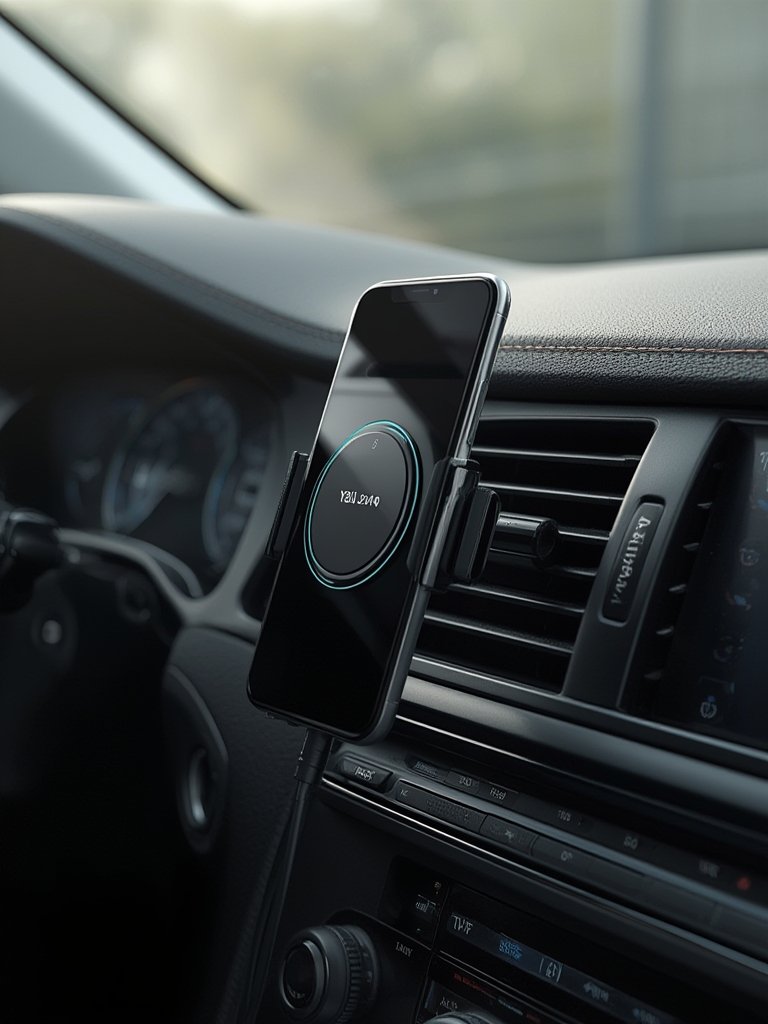
2026 is the year car mounts caught up to modern smartphones—not just in speed, but also in aesthetics and versatility. Here’s how today’s MagSafe car mount solutions leap ahead of older models:
| Feature | Older Designs | 2024 MagSafe/Universal Qi |
|---|---|---|
| Charging Speed | Up to 7.5W | 15W+ (MFM/Qi 1.3+) |
| Thermal Management | Passive cooling only | Active cooling & sensors |
| Device Compatibility | Mainly iPhone 12/13 | Universal Qi & Android |
| Mount Design | Plastic, bulkier | Slim, integrated, premium materials |
| Extras | Basic functionality | LED indicators, multi-device charging (prototypes) |
Apple’s innovations have challenged Android brands to up their game, with recent premium models supporting universal MagSafe car mount charging for Samsung, Pixel, and OnePlus, while keeping a clear aesthetic focus. Some solutions even blend seamlessly with luxury car dashboards, and integrated LED charge indicators remove “is it charging?” guesswork.
See more up-and-coming devices and smart car accessories in our electronics buying guide.
Final Buying Checklist: How to Choose the Right Magnetic Car Wireless Charger
- Certification: Look for “Qi” or “MFM” badges—these are your best guarantee of safety, reliable charging, and wide compatibility.
- Heat Management: Seek models with enhanced cooling features, especially if you drive in hot climates or regularly use fast charging.
- Charging Wattage: Prefer chargers that support at least 15W, which maximizes speed for both iPhones (with MFM) and premium Androids.
- Phone & Mount Compatibility: Double-check dashboards, mount types, and even case thickness; thin magnetic pads or direct MagSafe mounting enable the best performance but not all mounts fit every car or phone.
- Stability & Retention: Magnetic phone mount strength must withstand potholes and sudden stops—look for user reviews validating real-world security and vibration resistance.
Don’t forget: Charging efficiency drops—and overheating issues climb—during long commutes or aggressive fast charging, so never leave your phone mounted when parked in direct sun. For a broader picture of how wireless gear fits your tech arsenal, explore our guides on smart home security cameras and other best tech accessories.
FAQ
How does a magnetic car wireless charger work?
It uses a combination of strong magnets and Qi or MagSafe wireless charging coils to hold your phone securely in a convenient position, supplying power wirelessly while you drive. The magnets snap the phone into place, ensuring alignment for efficient charging.
Does wireless charging in the car damage my phone battery?
Current studies show no dramatic increase in battery wear for certified chargers, but heat build-up can shorten battery life over years of daily use. Always opt for models with solid thermal management and avoid constant charging if not needed.
Can I use a magnetic charger with a phone case?
Yes—but performance depends on the case’s thickness and material. MagSafe-compatible cases or thin cases allow the charger to attach securely and deliver fast charging. Avoid very thick or metal-backed cases for best results.
What’s the difference between Qi and MagSafe?
Qi is a universal wireless charging standard found in most Androids and some iPhones. MagSafe is Apple’s proprietary system offering stronger magnets, better alignment, and up to 15W charging speeds on MFM-certified devices.
Do all magnetic car wireless chargers support fast charging?
No. Only newer certified models support 15W or higher speeds. Legacy models may top out at 7.5W, so always check specs—and seek MFM or Qi 1.3+ certification—when buying.
Conclusion
Magnetic car wireless charger technology is evolving fast in 2024, blending seamless integration with both iPhone and Android, robust safety features, and ever-faster charging. But gaps in long-term testing, battery health research, and real-world performance comparisons mean you should shop smart: focus on certification, heat management, installation fit, and proven user feedback. Now that you’re armed with the facts, compare your options—and invest in a magnetic car wireless charger that truly makes your drive safer, simpler, and more connected.
Ready to upgrade your in-car power? Check the latest reviews and recommendations above, and then make your pick.