

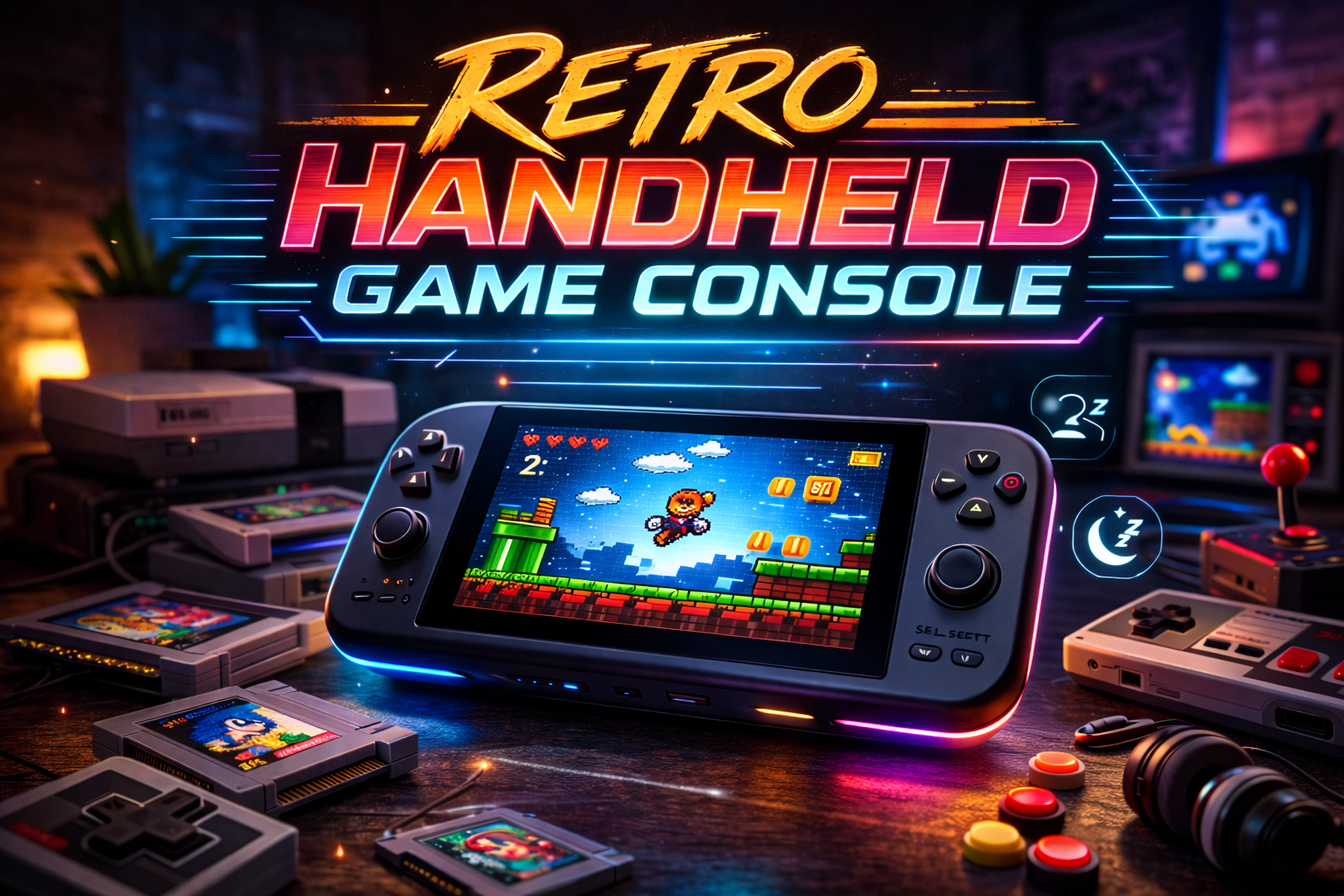
Retro handheld game console popularity is surging, offering a blend of nostalgia and portable gaming for enthusiasts, collectors, and tech-savvy newcomers wanting a taste of classic titles on the go.
Key Takeaways
- The retro handheld game console market is booming, projected to reach $4.18 billion in 2026 with strong double-digit growth.
- Modern emulator handheld consoles now feature HDMI and Linux for superior versatility—key for hybrid play setups.
- Battery life, display tech, and technical specs like ARM processors greatly impact the user experience and should shape your purchase decision.
- The Resurgence of Retro Handheld Gaming Consoles Market
- Exploring the Variety: Emulator Handheld Consoles
- The Impact of Technology: HDMI and Linux Retro Consoles
- Battery life and User Reviews: How Much Does It Matter?
- Making the Right Purchase: What to Look For in a Retro Handheld Console
- Advanced Analysis & Common Pitfalls
- Conclusion
- FAQ
The Resurgence of Retro Handheld Gaming Consoles Market
The retro handheld game console industry is experiencing a true renaissance. Fueled by global nostalgia and advancing tech, this market hit $3.8 billion in 2025 and is forecasted to reach $4.18 billion by 2026, showing a robust 10% compound annual growth rate (CAGR). This outpaces the broader gaming console scene, which grows around 3% to 5% CAGR. Since 2020, retro handheld manufacturers shipped 3.825 million units, with leading brands like Anbernic, Powkiddy, and Retroid Pocket capturing over 75% of the market share. North America leads revenue at $1.19 billion (38% of global share), while Asia-Pacific drives the user base with 42% of users. Classic handheld game sales have surged 40%, and handheld devices now account for more than 30% of worldwide console sales, highlighting the sector’s ever-increasing momentum.
Exploring the Variety: Emulator Handheld Consoles
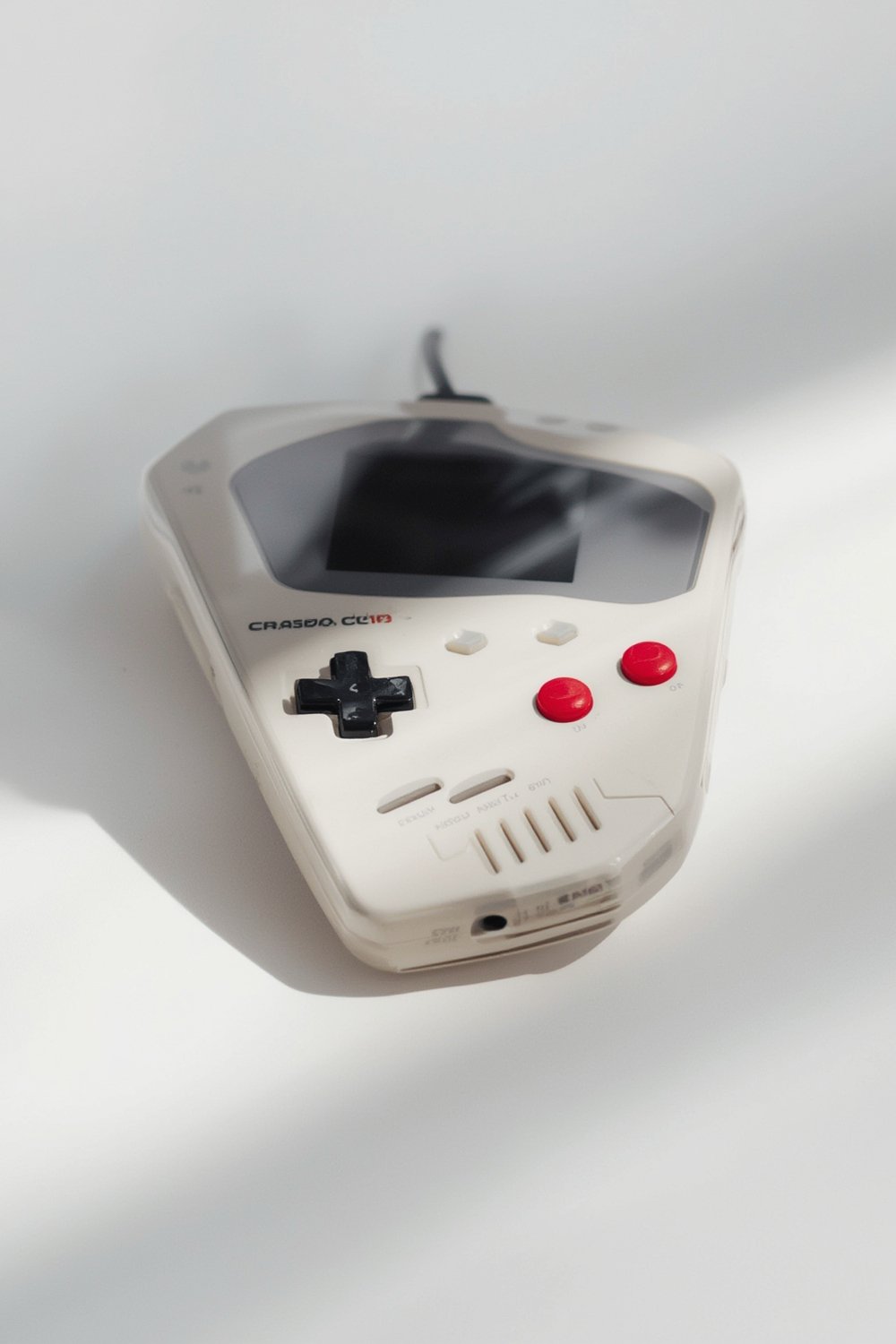
Emulator handheld consoles offer more than nostalgia—they deliver flexibility and vast game libraries. Options range from affordable 8-bit devices to premium 16-bit retro gaming handhelds, some preloaded with thousands of ROMs. This makes them appealing for seasoned collectors and casual gamers alike. The average U.S. import price of such consoles fell to $114 per unit in 2024, down 24.4% from the prior year, which broadens accessibility for newcomers. Notably, the spectrum spans from basic $34 mini arcade handhelds to full-featured $90 portable retro gaming consoles capable of running multiple platforms.
The rapid drop in hardware costs has enabled manufacturers to integrate extras like save states, customizable controls, and even wireless multiplayer. Those seeking a retro gaming handheld with ROMs will find support for NES, SNES, Sega, PS1, and even some arcade classics.
The Impact of Technology: HDMI and Linux Retro Consoles
Technological progress is fueling the next wave of retro handhelds, especially with HDMI support and Linux-based devices. HDMI retro console features add serious value—one device easily transitions between solo handheld play and big-screen action through TV connection. Many modern retro consoles emulate the hybrid usability of leading mainstream devices, thereby widening their reach and use cases.
Source statistics show that demand for this kind of versatility aligns with a 5.9% CAGR in the broader “hybrid” gaming category. On the software front, Linux retro consoles deliver open-source flexibility, robust emulator support, and easy customization for tinkerers. Linux devices cater to those who want a fully open environment but can come with learning curves—ideal for technical enthusiasts but possibly overwhelming for complete beginners.
If you’re particular about display quality, note that top models are adopting OLED screens (also sought after in OLED monitors for gaming setups). This translates to deeper colors and minimal motion blur, which makes classic games truly pop.
Battery life and User Reviews: How Much Does It Matter?
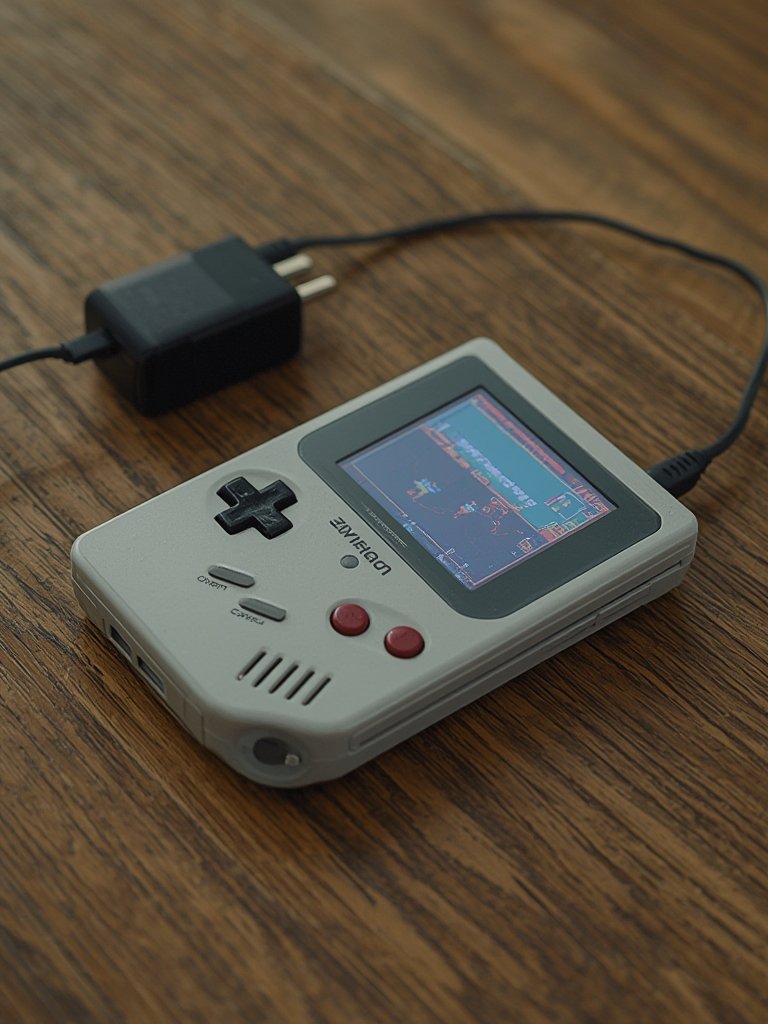
Battery life isn’t just a spec—it’s a make-or-break factor in real-world use. Recent jumps in ARM processor efficiency mean that today’s rechargeable retro game devices last longer, even as displays and features demand more power. For most users, a retro gaming handheld should deliver at least four to six hours of playtime without leaving you tethered to a charger. Units with older processors or lower-tier batteries can still fall short, frustrating users during travel or long sessions.
Consistent, fast charging is equally vital, so check for USB-C support—now the baseline in quality devices. Rechargeability affects customer satisfaction and naturally resonates in user reviews, with poor battery life and outdated charging standards frequently cited as negatives. Always read verified user reports and pay attention to detailed feedback, especially on forums or comparison sites alongside technical reviews. For buyers who prioritize comfort, features, and all-around portability, you might find inspiration by exploring comfort-driven products like ANC sleep earbuds—the underlying user priorities are often similar.
Making the Right Purchase: What to Look For in a Retro Handheld Console
To make a smart buy, focus on these vital technical specifications for a retro handheld game console:
- Processor: Prioritize ARM-based devices for speed and better battery optimization.
- Display: OLED screens offer the best visuals, but cost more. Standard LCDs provide value for budget buyers.
- Output Features: HDMI support ensures easy transition between handheld and TV play.
- Game Library & ROM Compatibility: Check supported platforms and how easily you can add titles—vital for those chasing specific nostalgia.
- Rechargeability & Ports: Look for USB-C support recharging with fast-charge support.
- Build Quality: Well-built shells (metal or reinforced plastic) extend device lifespan—important for frequent travel or heavy use.
- Price Range: Expect $34 for entry-level mini arcade handhelds to $90 for premium portable retro gaming consoles in North America.
For extra features, consider units with wireless connectivity, save states, customizable buttons, and the option to back up your game progress. Shoppers often check these technical boxes when they buy high-performance gear—see parallels in in-depth CPU reviews for gaming or DJ controller feature breakdowns for more context on spec-driven decisions.
You can also check out robust sewer camera technology if you’re passionate about portable, inspection-driven gadgets.
Advanced Analysis & Common Pitfalls
Even with booming popularity, the retro handheld game console space isn’t without drawbacks or complications. Let’s break down typical pitfalls and how to steer clear of them.
| Aspect | Common Pitfalls | How to Avoid |
|---|---|---|
| Emulator Compatibility | Not all systems run every ROM or emulator smoothly; expect glitches, especially with less optimized titles. | Check online user forums or YouTube reviews for verified compatibility lists and system benchmarks before buying. |
| Build Quality | Budget models may use fragile plastics or have poor button durability; some devices feel toy-like. | Opt for reviews mentioning solid build and tactile button feedback; avoid knockoffs mimicking popular brands. |
| User Interface | Linux consoles offer flexibility but can be tricky for beginners, with confusing menus or setup hurdles. | Stick with user-friendly OS versions if you want plug-and-play; only choose Linux retro consoles if you’re comfortable troubleshooting. |
| Battery & Charging | Small battery capacities or poor charging circuits mean shorter playtime and slow recharge cycles. | Prioritize modern rechargeable retro game devices using recent ARM processors and USB-C fast charging. |
| ROM Legality | Buying consoles with preloaded illegal ROMs risks device seizure or loss of support. | Always verify ROM sources and choose vendors who follow legal distribution protocols. |
| Support & Updates | Cheaper brands may stop firmware support after release, leading to bugs or lack of new features. | Check for a history of firmware updates or active community support before buying. |
It’s wise to be aware that most common user-reported issues haven’t been systematically studied—always reference trusted sources like market research reports for up-to-date pricing and shipment trends, or in-depth industry analysis for reliable guidance on broader industry shifts.
Conclusion
In summary, the retro handheld game console market is experiencing explosive, tech-fueled growth. Choosing the right device hinges on knowing your needs—from emulator flexibility and HDMI support to battery life, user interface, and overall build quality. To make the best decision, set a realistic budget, consider the key factors outlined above, and don’t overlook the pros and cons of each model. For added context on buying premium gadgets for your setup, review our insights into smart home hubs and compare the lessons learned with retro consoles. Ready to relive the classics? Start your handheld adventure and join a resurgent community that refuses to let legendary games fade away.
FAQ
What is the difference between an emulator handheld console and an original retro handheld?
An emulator handheld console can run games from multiple old systems via emulation software. In contrast, original retro handhelds are legacy hardware designed for their own native game cartridges.
Are ROMs preloaded on all retro gaming handhelds legal?
No, not always. The legality of preloaded ROMs depends on copyright laws in your country and whether the vendor has licensed the games. Always check for compliant sourcing.
How much do portable retro gaming consoles typically cost?
Prices range from $34 for simple mini arcade handhelds to about $90 for premium devices in North America. Advanced features and better build quality move the price upward.
What should I consider to get the best battery life from a retro handheld console?
Look for consoles with efficient ARM processors, ample battery capacity, and USB-C fast-charging support. Realistic estimates for moderate use are four to six hours per full charge.
Can HDMI retro consoles connect to any TV?
Most HDMI retro consoles will connect to any modern TV, provided the device outputs in a supported format (usually 720p or 1080p). Check your TV ports and console output specs before purchasing.
—