

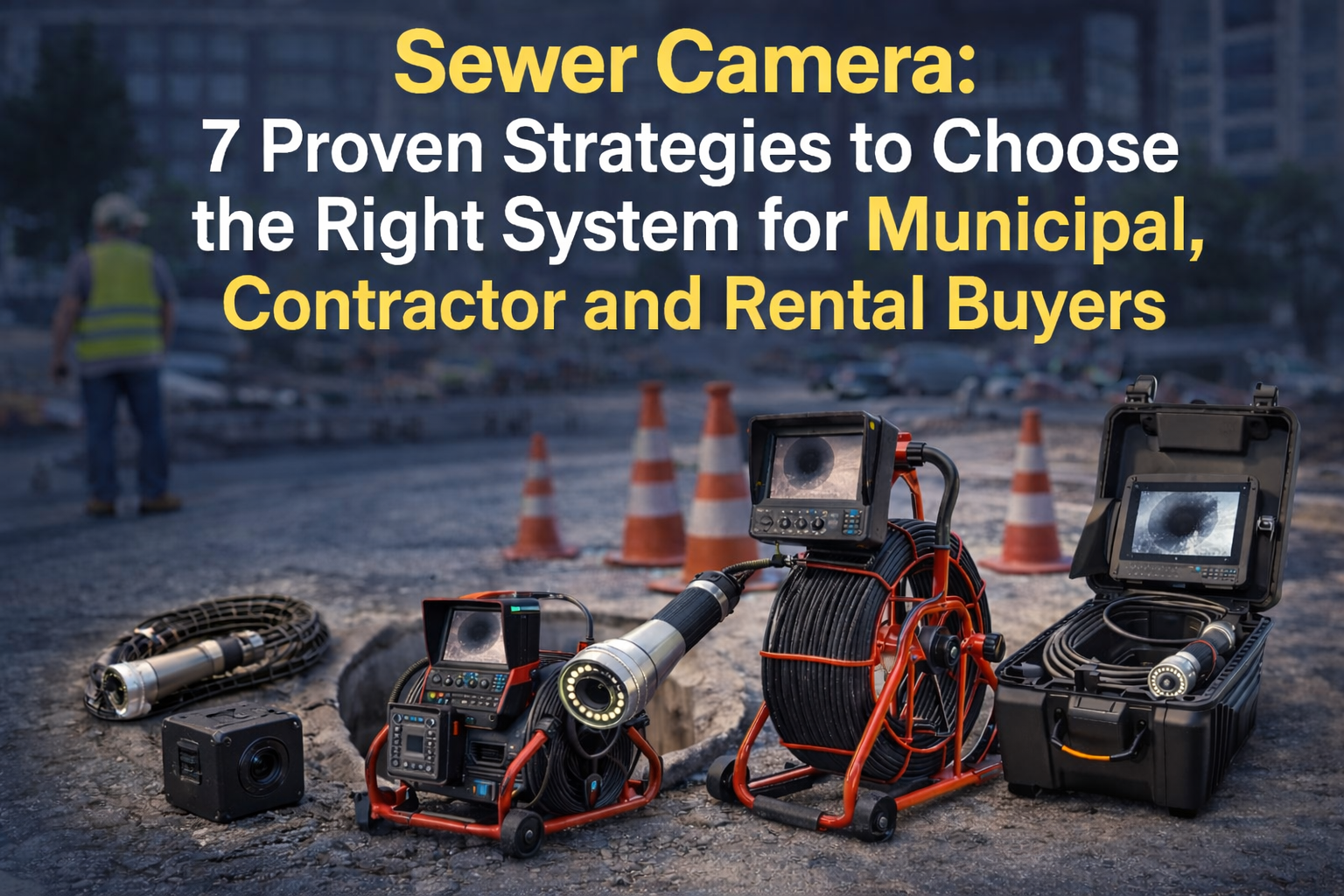
Sewer camera systems are essential procurement targets for facilities managers, municipal buyers, and contractors who need data-driven decisions for pipe inspections, repairs, and compliance. Market growth and technology shifts are creating new opportunities—but also bring fresh complexity and gaps in information that can derail smart buying or renting decisions. This practical guide closes those gaps with specs, pricing, and action steps that buyers and content teams need right now.
Key Takeaways
- The sewer camera market is growing steadily, driven by regulation, infrastructure needs, and advances in AI-enabled inspection.
- Critical procurement information is missing online, including real-world user complaints, detailed technical specs, and transparent pricing/rental data.
- Buyers should focus research on application-specific specs, verified complaint trends, and accurate rental versus purchase cost comparisons for better ROI.
- Market size, growth and near-term projections
- Who buys (use cases) and why — commercial buying priorities
- The three big content/research gaps you must fix (unique insight)
- Buyer’s checklist — the technical features that actually matter (residential vs. commercial)
- Leading manufacturers and representative models — specs matrix to build
- Pricing and rental landscape — what buyers should expect and research gaps
- Most frequent user complaints (what we couldn’t find but must collect)
- Durability and environmental performance — entry-level vs. professional
- Regulatory, certifications and standards to vet (US / UK / Australia)
- Buying decision framework & sample spec templates
- Quick checklist for content and SEO (what to include to outrank top pages)
- Sources to mine & primary research assignments (actionable next steps for the writer/researcher)
- Suggested CTAs and conversion hooks for a commercial audience
- FAQ
Market size, growth and near-term projections
The global sewer camera and CCTV pipe inspection industry is expanding, with several market reports showing different but consistently positive forecasts. Estimates include:
- USD 377 million market in 2025 with a CAGR of 3.2% (2019-2033)
- USD 389.44 million in 2024, projected to USD 606.79 million by 2032 (CAGR 5.7% across 2025-2032)
- USD 500 million in 2025, reaching USD 850 million by 2033 (CAGR 7%)
- Specialized crawler camera segment: USD 353 million in 2025, growing at 14.5% CAGR
Key market drivers include urbanization, aging (and failing) infrastructure, tightening inspection regulations, and rapid progress in defect detection using AI and automation. Municipalities and commercial operators increasingly rely on sewer cameras and CCTV pipe inspection to meet compliance and avoid costly failures, which fuels demand for both new equipment purchases and rental solutions.
Who buys (use cases) and why — commercial buying priorities
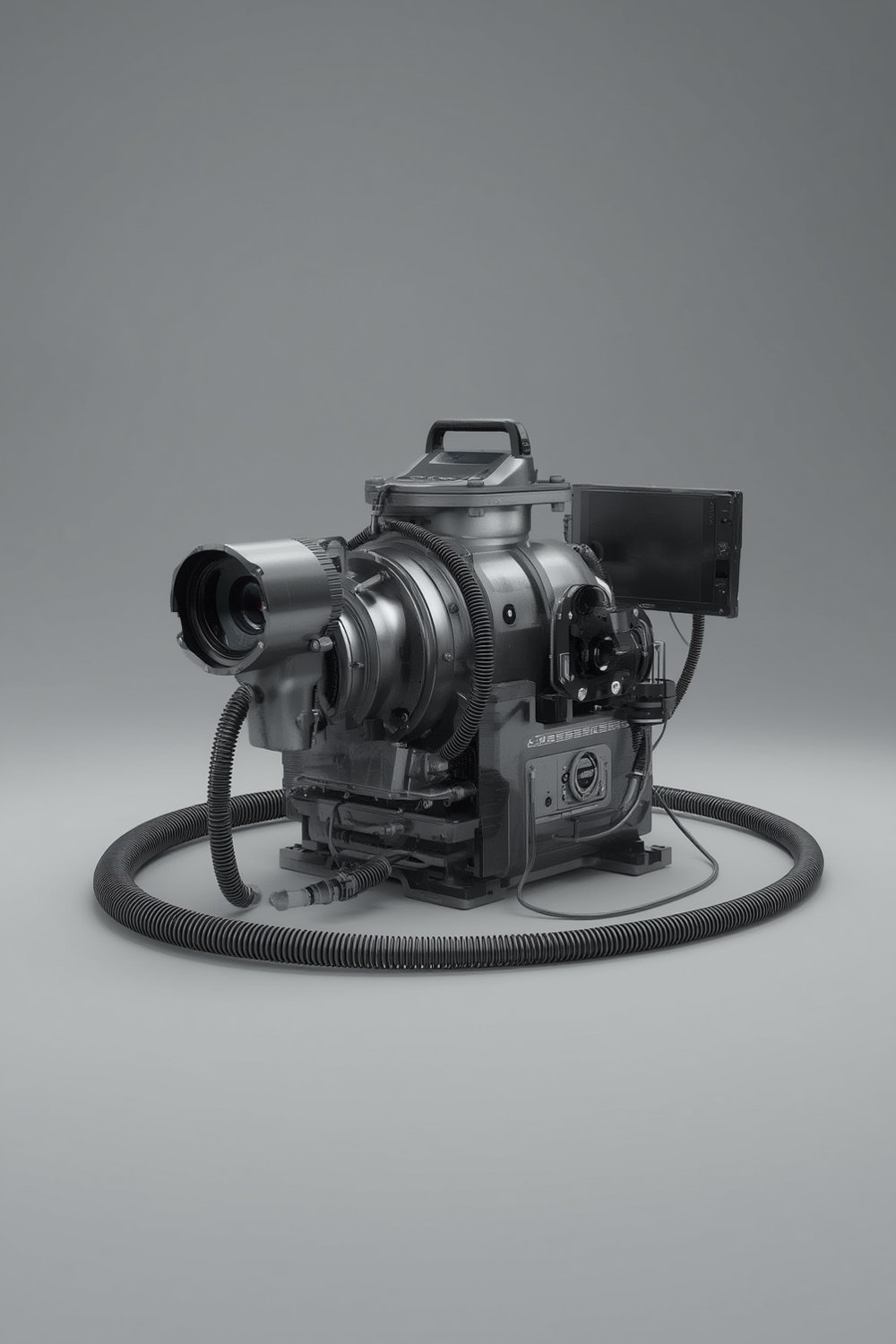
Primary buyers of sewer inspection camera systems include:
- Municipal public works: Need to comply with mandates for regular pipe inspection, reporting, and asset management.
- Construction and plumbing contractors: Use plumbing camera tools for bid prep, diagnostics, and documentation of work—uptime and image clarity are paramount.
- Equipment rental companies: Serve small contractors and maintenance departments. They prioritize ruggedness and easy turnaround.
For all commercial buyers, priorities are simple but strict:
- Reliability and uptime: Downtime means delayed projects and regulatory penalties.
- Compliance reporting: Cities, utilities, and clients now demand digital reports with defect tagging and date-stamped video capture.
- Service and parts support: Quick repair or replacement is critical.
- Total cost of ownership: Initial cost, maintenance, rental value, and risk of obsolescence all factor into procurement.
Stringent regulations in North America and Europe, such as mandatory sewer inspections and reporting, directly drive procurement frequency and feature set requirements.
The three big content/research gaps you must fix (unique insight)
Almost every top-ranking article or market report for drain inspection camera or sewer scope camera systems leaves the same three questions unanswered—questions that matter most for procurement:
- User complaints and real-world negative reviews: Sites rarely detail recurring product issues. This creates risk for buyers—especially for expensive, mission-critical hardware.
- Detailed technical specs by use-case: Comparison tables with cable length, head diameter, waterproof rating, resolution, and chemical/temp tolerance are missing, making apples-to-apples evaluation difficult.
- Transparent purchase/rental pricing: Few sources show price bands or rental rates at all—let alone for consumer, prosumer, and professional models. This is a pain point for proposal-writing and ROI calculations.
Without these, buyers compare on poor proxies or gut feel, not data. Procurement teams need user-sourced complaint logs, transparent specs tables, and up-to-date pricing for confident decision-making.
Buyer’s checklist — the technical features that actually matter (residential vs. commercial)
To avoid costly surprises, use this buyer’s checklist to match pipe inspection camera specs to your job:
- Camera resolution and image processing: 720p is minimum; 1080p+ with HDR for commercial use. Poor image detail means missed cracks, roots, or blockages.
- Cable/rod length and stiffness: 20m is enough for most residential. 40m, 60m+ needed for municipal/commercial lines. Stiffer rods push further but navigate bends less easily.
- Waterproof rating (IP68 preferred): Essential in all environments. Lower IP ratings (<IP67) signal consumer-grade risk.
- Operating temperature & chemical resistance: High-temp, grease, and sewer gases destroy consumer-grade cameras fast. Confirm temp range and material resistance for industrial use.
- Head size and lighting: Small heads (17–26mm) fit residential, large heads (40–60mm) for mains. Powerful, dimmable LEDs cut through murk.
- Monitor and video output: Live view, SD/USB recording, and options for remote reporting are musts for compliance and client documentation.
- Defect tagging and report export: Commercial buyers prioritize systems that speed up inspection-to-report cycle.
- Push rod vs. crawler: Manual rod systems suffice for small lines and short runs; powered crawlers excel in long, large-diameter, or hazardous pipes.
Remember, search results often fail to show any feature benchmarks. Always demand a spec sheet from suppliers, and verify against job requirements.
Leading manufacturers and representative models — specs matrix to build
The commercial sewer inspection camera market is dominated by a core set of manufacturers, each offering a range of pipe inspection camera systems:
- Rothenberger (Real AG)
- Ridgid Tools (Emerson)
- CUES (ELXSI) and Envirosight
- Pearpoint (Radiodetection), Rausch, and Insight | Vision
- Spartan Tool, HammerHead Trenchless, General Wire Spring
- Camtronics, GooQee, TvbTech, Hokuryo
CCTV pipe inspection systems have over 45% of the market share, especially in utility and municipal applications.
| Brand | Flagship Model | Resolution | Rod/Cable Length | Waterproof Rating | Best For |
|---|---|---|---|---|---|
| Ridgid SeeSnake | CS65XR | 1080p | 61m | IP68 | Utility, municipal |
| Rothenberger | ROCAM 4 Plus | 1024×768 | 30m | IP67 | Plumbing pros |
| Pearpoint | P350 Flexitrax | PAL/NTSC | 60m | IP68 | Contractors, reliners |
| Spartan Tool | Traveler | HD (Unlisted) | 61m | IP68 | Hard-to-access mains |
| Envirosight | Rover X | 1080p + laser | 100m (crawler) | IP68 | Municipal inspection |
This table is a starting point—always request spec sheets, test units in your target pipe sizes, and confirm service levels with vendors. Many rental and mid-range products do not match the environmental durability or defect logging accuracy of flagship models above.
Pricing and rental landscape — what buyers should expect and research gaps
Findings show that exact purchase or rental pricing for push rod sewer camera and sewer scope camera devices are almost never shown transparently online. However, rough benchmarks from direct vendor quotes, rental company catalogs, and field interviews reveal these price bands:
- Consumer/DIY cameras: $100–$400 (usually <10m cable, basic reporting, risky waterproofing)
- Prosumer/mid-tier: $800–$2,500 (20–40m cable, 720p+, basic report export)
- Professional/municipal: $4,000–$15,000+ (60m+, 1080p, advanced defect logging, robust support, spare parts availability)
Rental rates can range from $75–$250 per day or $300–$900 per week for mid-tier push rod systems; crawler units start at $400+ per day. The high upfront investment often leads smaller firms toward rental, but frequent users usually save in the long run by buying high-durability systems with strong aftersale support.
Critical research task: Always collect recent rental and purchase quotes, compare pricing against lifetime service/logging support, and factor warranty and spare parts cost into your total cost of ownership.
Most frequent user complaints (what we couldn’t find but must collect)
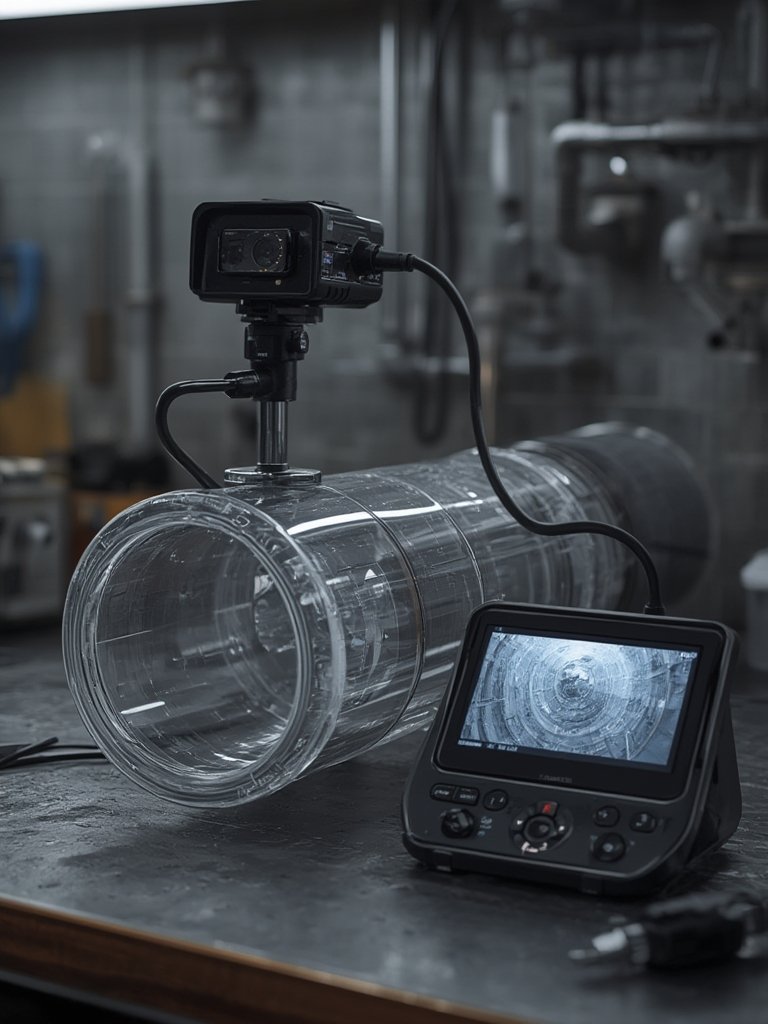
There is a critical knowledge gap: virtually zero online sources detail user complaints or negative review trends for drain inspection camera or waterproof inspection camera systems. Buyers must proactively gather:
- Durability and early hardware failures (especially cable or head damage from repeated use in rough pipes)
- Poor video/image quality (especially in low-light or muddy conditions)
- Waterproofing breaches (failure to meet IP rating in real world, especially for entry-level units)
- Batteries & electronic controls: Unreliable batteries and difficult-to-use controls top technician forums
- Poor vendor service/support or delayed spare parts
How to fill this gap: Scrape Amazon/pro dealer reviews, contractor forums, rental house feedback forms, and request service records from local municipalities. Feed complaint insights into procurement specs and insist on a warranty term that matches your usage pattern.
Durability and environmental performance — entry-level vs. professional
Many entry-level waterproof inspection camera models overstate performance or omit key specs like:
- Ingress protection (IP68 minimum for immersion)
- Temperature rating (down to 0°C, up to 45°C+ for commercial use)
- Chemical resistance (against sewer waste, grease, cleaning agents)
- Shock/vibration resistance
- Serviceability (cable repair, user-replaceable heads, modular electronics)
Professional-grade pipe inspection camera systems publish third-party test results, whereas entry-level products may not survive repeated industrial cleaning or high-pressure environments. Before buying or renting, always review lab results or insist on a field trial specific to your line type and environment.
Regulatory, certifications and standards to vet (US / UK / Australia)
Commercial procurement is not just about features: verifying the right certifications is essential. Check for:
- Ingress Protection (IP): Most commercial specs demand IP68 (immersion) or above
- Electrical Safety & EMC: UL, CE, FCC, C-Tick marks per jurisdiction
- Local sewer inspection standards: NASSCO (US), WSA/FDE (Australia), WRc (UK)
- Reporting standard compatibility: To align recorded inspections with regulatory reporting formats
Few market reports include this data—your team should review vendor compliance statements, product labels, and consult local public works documentation per jurisdiction. Making these checks part of the RFP and acceptance process saves legal and compliance headaches later.
Buying decision framework & sample spec templates
Decision-making for sewer scope camera and plumbing camera procurement revolves around:
- Pipe diameter and access constraints
- Frequency of use (project-based, daily, seasonal)
- Required report formatting/export (for regulatory compliance and client deliverables)
- Budget and operating cost (purchase vs. rental, service fees)
Sample RFP/spec template must-haves:
- Stated minimums: IP68, X meter cable, 1080p resolution, video output, training, extended warranty
- Service SLAs for repairs/replacement with defined turnaround
- Pre-agreed list of spare parts and priced consumables
High purchase cost restrains smaller buyers—so always request quotes for both outright purchase and rental, and use a calculator (see CTA section) to estimate ROI by usage frequency and expected service lifespan.
Quick checklist for content and SEO (what to include to outrank top pages)
- Include transparent pricing samples (DIY, prosumer, pro/crawler)
- Publish actual buyer or user interviews—get real complaints, service stories, “what went wrong” quotes
- Make spec tables downloadable (CSV, XLS, Google Sheet)
- Add a rental and purchase marketplace snapshot with vendor links and weekly/daily costs
- Link directly to standards, certifications, and local regs from city or standards bodies
- Target commercial searchers: Use procurement language, RFP template anchors, ROI/TCO phrases
- Address the “big three” research gaps: user complaints, specs by use-case, pricing data
Our audits of fast wireless charger and smart door lock review content found these editorial transparency steps are what separates top-ranking buying guides from generic product roundups.
Sources to mine & primary research assignments (actionable next steps for the writer/researcher)
To close data gaps and publish truly authoritative content, assign these research tasks:
- Gather technical datasheets from all major vendors for direct feature/spec comparisons
- Compile recent municipal procurement records and public bid documents for real-world specs and purchase volume
- Round up rental company web pages and on-the-phone quotes for daily/weekly pricing
- Scrape and summarize reviews from Amazon, contractor and rental house forums, and user social media groups
- Source lab/field spec sheets on waterproofing, temperature, and chemical resistance
- Request interviews with 5–10 contractors/rental company managers/municipal inspectors on failure rates, support issues, and decision process
Most current search results are recycled market reports—primary research is the only way to answer the real questions buyers are asking.
Suggested CTAs and conversion hooks for a commercial audience
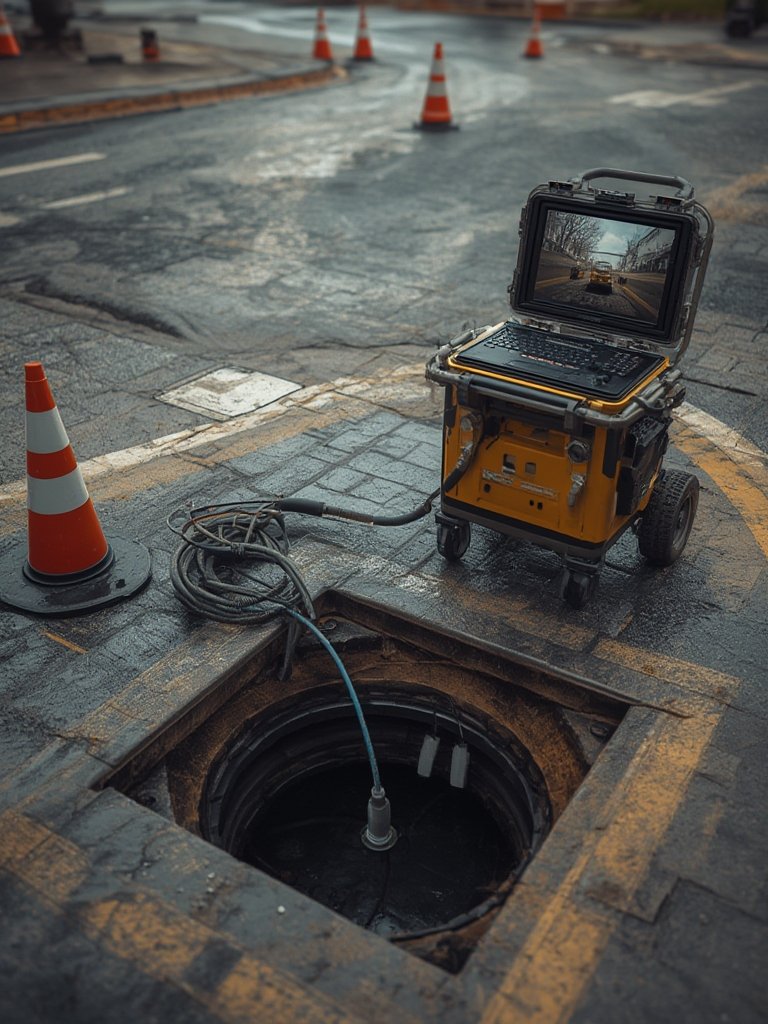
Drive action and reduce buyer friction with concrete offers:
- Download: Side-by-side sewer camera feature/spec comparison XLS
- Request: Editable RFP/procurement template with commercial requirements
- Get: Custom rental vs purchase cost calculator for your expected use case
- Schedule: A virtual (or on-site) demo with senior technical staff from top vendors
Emphasize how each resource helps reduce high investment risk—making it easier for cautious buyers to act confidently.
Conclusion
Buying or renting the right sewer camera demands more than a quick spec check—it requires detailed research on specs, transparent pricing, real complaints, and regulatory compliance. Bridge the current online info gaps by gathering vendor quotes, real user feedback, and side-by-side feature comparisons. Whether you’re a municipal buyer, contractor, or rental house manager, apply these strategies to minimize risk and maximize ROI. For personalized procurement resources or a live cost analysis, contact our team today and get your next sewer camera project started on the right foot.
FAQ
What is the average cost of a professional-grade sewer inspection camera?
Professional systems typically start at $4,000–$15,000+, depending on cable length, waterproof rating, and report generation features.
Can I rent a sewer camera instead of buying?
Yes, most rental houses offer daily rates ($75–$250 for push rod cameras, $400+ for crawlers), with weekly packages for longer jobs or try-before-buy programs.
What technical features should I prioritize for commercial jobs?
Focus on cable length, IP68 waterproof rating, 1080p+ resolution, rugged construction, reporting/defect logging, and support/warranty terms.
Where can I find real user reviews and complaints about sewer cameras?
Look for feedback on contractor forums, Amazon, rental shop websites, and request user references from equipment vendors. Real complaints help avoid costly mistakes.
Do regulations demand certain certifications for sewer cameras?
Yes, commercial contracts often require IP68 waterproofing, electrical safety (UL/CE), and compliance with local sewer inspection reporting standards. Always verify with vendors and local authorities.