

car dash cam 4K is rapidly becoming the must-have upgrade for tech-savvy drivers in 2024, promising unmatched detail for evidence, insurance claims, and peace of mind on the road.
Key Takeaways
- 4K dash cams deliver sharper footage, but true low-light performance is still inconsistent and rarely benchmarked.
- Market data highlights major regional growth, with North America and Asia-Pacific leading the global surge in demand.
- User priorities like firmware reliability, long-term durability, and data privacy are often unaddressed in mainstream buying guides.
- Is a Car Dash Cam 4K Worth It in 2024?
- 4K Dash Cams vs Standard Ultra HD: What You Need to Know
- Night Vision in 4K: Where Premium Dash Cams Still Struggle
- How Much Should You Pay for a Reliable 4K Dash Camera?
- Hidden User Needs: What Most 4K Dash Cam Guides Don’t Talk About
- Key Technical Specs to Spot in a True 4K Dash Camera
- The Road Ahead for 4K Dash Cams: Regional Growth & Industry Trends
- Conclusion
- Frequently Asked Questions
Is a Car Dash Cam 4K Worth It in 2024?
Choosing a car dash cam 4K this year means aiming for crisper footage, enhanced number plate visibility, and more robust video evidence. What separates the best 4K dash cameras from standard recorders is this leap in resolution—resulting in detailed captures even under tough conditions. The global 4K dash cam market surged to $1.52 billion in 2024, with an 11.6% annual growth rate projected through 2029 as more drivers demand security, smart features, and insurance-grade clarity.
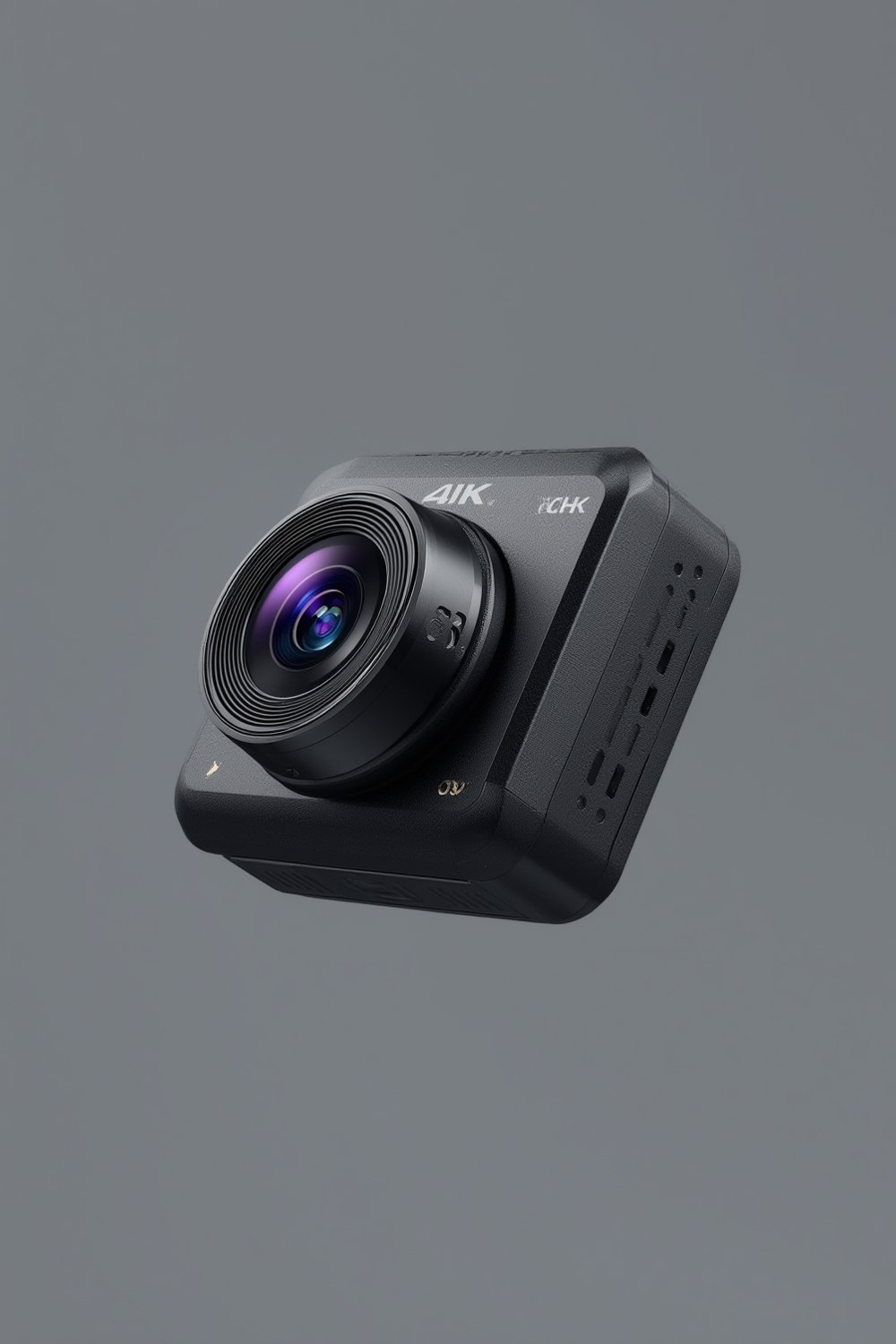
The current trend is not just about higher resolution—it’s about the reliability of video evidence in diverse scenarios, from accidents and vandalism to parking lot disputes. Falling device prices, ridesharing expansion, and a surge in commercial fleet adoption are pushing this technology mainstream. But are all 4K dash cams created equal? Not quite—and knowing what sets them apart is critical.
For those obsessed with tech specs and authentic performance, it’s crucial to look past marketing tags and focus on real-world performance and emerging solutions addressing previously unmet consumer needs.
4K Dash Cams vs Standard Ultra HD: What You Need to Know
Understanding the difference between a 4K dash camera and an ultra HD dash cam is key when upgrading your vehicle’s monitoring. A dash cam labeled as “4K” typically records at true 3840×2160 resolution, while “ultra HD” may sometimes refer to 2.5K or 1440p resolution units branded as “Ultra HD” for marketing purposes. The real value? Genuine 4K dash cameras preserve finer roadside details, critical for dispute resolution or insurance proof.
Market data from Grandview Research highlights a technical push: both U.S. Full HD and 4K dash cam segments are growing at over 10% CAGR from 2024-2030, mainly because users want real-time monitoring. However, a lack of industry-wide objective tests or benchmark footage makes it tough for buyers to compare real image quality, video sharpness, or motion clarity.
Most available comparisons show improvements only in daylight clarity, while night and challenging-light conditions remain inconsistent across brands. Given that, invest attention in sample footage and honest reviews—do not just trust the “4K” label alone.
Night Vision in 4K: Where Premium Dash Cams Still Struggle
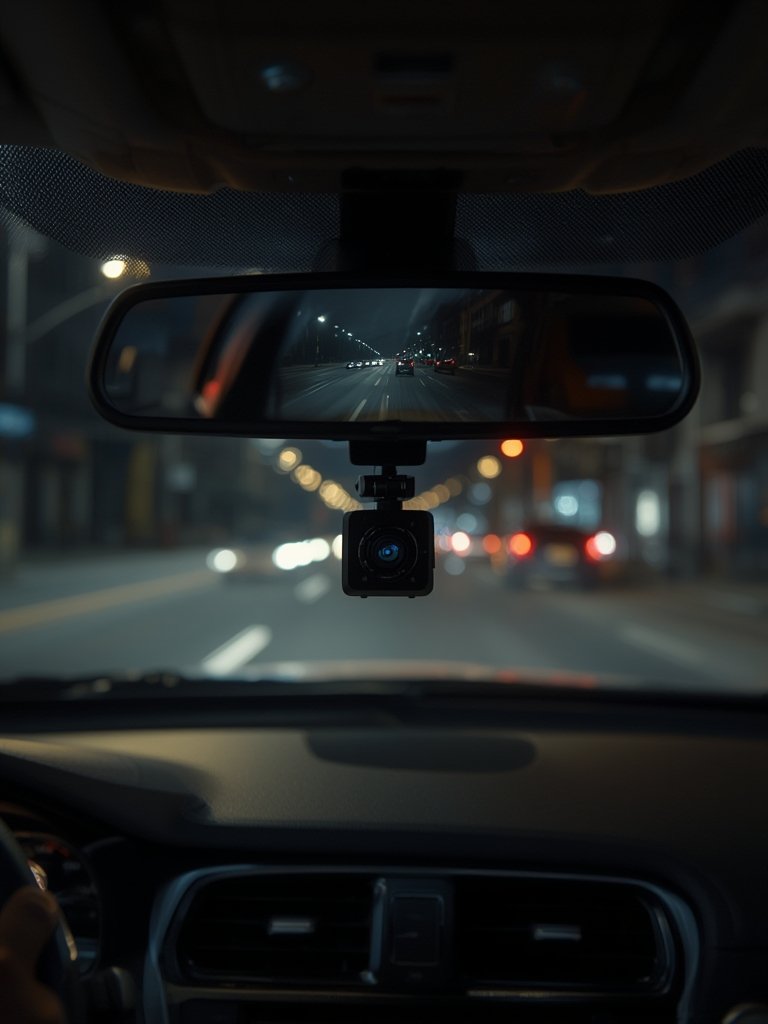
Nearly every buyer prioritizes night vision dash cam performance, especially after accidents that happen after dark. Unfortunately, even premium 4K dash cameras fall short here. Why? No standardized night vision tests or patented low-light benchmarks currently exist for these products, making real-world night-time performance a gamble.
Recent research syntheses reveal a glaring gap: no publicly available sample footage or objective comparisons between leading 4K night vision dash cams in low-light or no-light settings. User complaints cite graininess, problematic lens flare, and focusing issues on cheaper units. But even for high-end models, their night performance is only as good as their sensor hardware and firmware—details rarely shown in product listings.
If reliable overnight security is your primary goal, demand clear night demo videos before buying. Premium pricing is not a guarantee of useable night evidence—yet.
How Much Should You Pay for a Reliable 4K Dash Camera?
When it comes to buying a car dash cam 4K, the market is flooded with options but short on trustworthy price benchmarks. Recent industry reports cover features such as Wi-Fi and GPS, but provide no consistent pricing ranges. Based on publicly-listed models and consumer trends, most reliable 4K dash cameras in 2024 sit between $120 and $350, depending heavily on extras like dual-channel recording, parking mode, and wi-fi transfer.
Add-ons generally push both cost and value upwards—for instance, built-in GPS helps track incident locations, while Wi-Fi simplifies footage transfer. However, price alone delivers little insight. Instead, gauge value by firmware update frequency, warranty terms, and actual sample footage quality.
For those looking to upgrade car power management at the same time, pairing with a fast charge power bank can ensure your cam runs even when your vehicle is parked or unplugged.
Hidden User Needs: What Most 4K Dash Cam Guides Don’t Talk About
Most 4K dash camera reviews skip straight to specs, missing what really protects consumers over time. Here are three major user needs often left unaddressed:
- Firmware Reliability and Update Frequency: Many dash cams lack regular updates, meaning security holes or software bugs go unpatched. Check if the manufacturer has a documented update history before purchase.
- Long-Term Durability: Prolonged sun exposure and interior heat can shorten a dash cam’s lifespan. Rugged construction, supercapacitors (over lithium batteries), and a proven record of two-year+ operation make a difference, especially for business fleets.
- Data Privacy: With Wi-Fi and cloud features becoming common, it’s vital to know what happens to your footage. Many guides ignore risks around data leaks or cloud-service retention policies.
Top-ranking buying guides often gloss over these realities, but experienced buyers dig deeper. Use a privacy-focused setup, and consider pairing your dash cam with smart accessories like a motion detection camera for the home to strengthen overall security.
Key Technical Specs to Spot in a True 4K Dash Camera
If you want more than just impressive marketing claims, scrutinize the technical foundation of your ultra HD dash cam or car dash cam 4K. Start by assessing:
- Sensor Type: Top-tier Sony STARVIS or similar CMOS sensors yield better performance in low light and true 4K clarity. Cheaper models may “upscale” lower resolutions.
- Bitrate: Higher bitrates (often above 50Mbps for real 4K dash cameras) ensure footage doesn’t turn blurry during fast motion or low light.
- Storage Compatibility: Look for cards rated for high-endurance and fast write speeds. Some cams accept up to 256GB, reducing lost or overwritten footage in long drives or commercial operations.
- Heat Resistance: Vital for drivers in warm regions—seek devices rated for 70°C or higher interior temps.
Unfortunately, most public product listings—and even market reports—omit these details. Ask customer support, or dig into engineering forums for deep dives. If you often mount accessories in your vehicle, consider integrating your cam setup with a magnetic phone mount for a clutter-free cockpit.
The Road Ahead for 4K Dash Cams: Regional Growth & Industry Trends
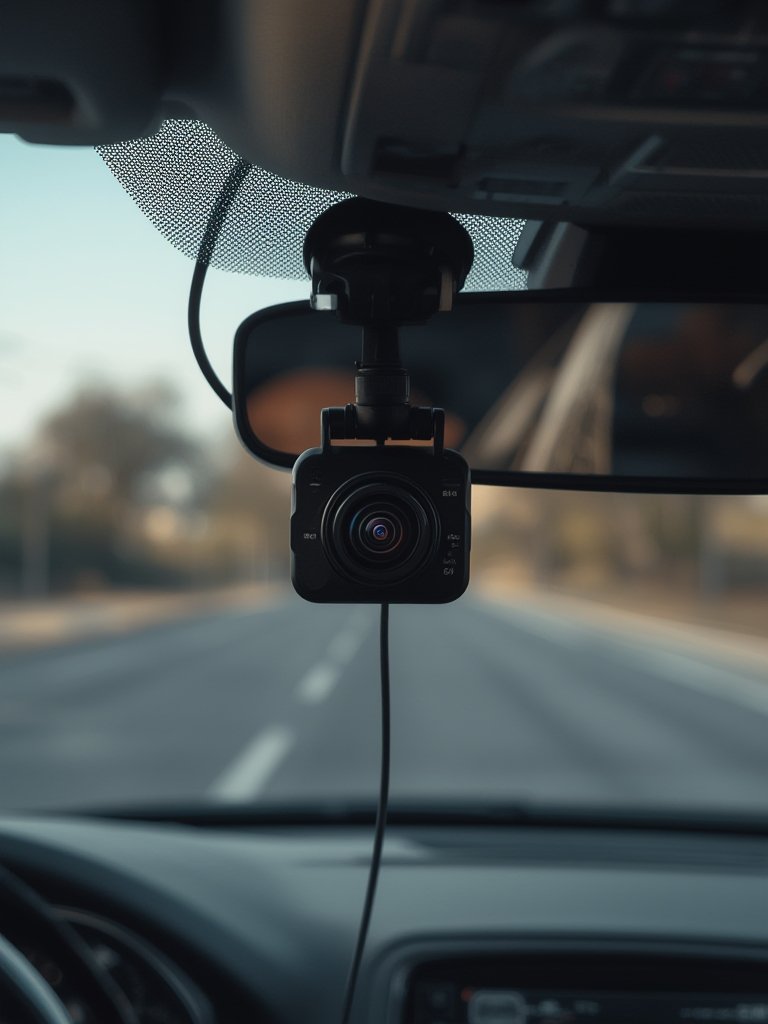
The global dash cam market is fast-evolving, with the 4K dash camera segment at the forefront. In 2024, North America controlled the biggest slice of the market—driven by road safety initiatives, commercial fleet uptake, and consumer demand for video proof. Meanwhile, Asia-Pacific now represents the fastest-growing territory, fueled by expanding middle classes, smart city programs, and sharp price competition among electronics brands.
For a deeper dive into these trends, check the ResearchAndMarkets 4K Dash Cam Market Report. Data shows global growth will continue at a double-digit pace through 2029, with new features like artificial intelligence, motion alerts, and higher thermal endurance in development. Expect further integration of dash cams in connected car networks, electric vehicles, and even home security, as consumer demand extends beyond just basic footage.
As the sector matures, experienced buyers will prioritize not just sharp resolution but warranties, update policies, and seamless integration with smart power solutions like a GaN fast charger for unbroken operation.
| Region | 2024 Market Share (4K Dash Cam) | Growth Trend |
|---|---|---|
| North America | Largest | Steady (>10% CAGR) |
| Asia-Pacific | Fastest Growing | Rapid adoption, especially urban areas |
| Western Europe | Moderate | Driven by insurance incentives |
| Other | Emerging | Gradual; led by regulatory changes |
Conclusion
Choosing a car dash cam 4K in 2024 offers genuinely clearer footage and smarter features, but buyers should go beyond labels and investigate sensor specs, real-world footage, and company support for firmware and privacy. The best investment is one that balances sharp resolution with reliability, night vision, and transparent data management. Ready for a next-gen upgrade? Secure your vehicle, evidence, and data with a carefully chosen 4K dash camera—compare, test, and always verify before buying.
If you value full travel tech readiness, see our guides on portable power banks and wearable health earbuds.
Frequently Asked Questions
Are all “4K” dash cams recording at true 4K resolution?
No. Some dash cams upscale from lower resolutions and label their product “4K” for marketing. Always check actual sensor output and look for uncompressed sample footage.
Can a 4K dash camera really capture license plates at night?
Only the best units with top sensors can routinely capture readable plates at night. Most budget options struggle in low-light or against headlight glare. Insist on seeing real night footage before buying.
What features increase the cost of a car dash cam 4K?
Dual channel recording (front and rear), parking mode with motion detection, GPS, Wi-Fi, and smart cloud features all add to the price. Durable components and warranty also impact value.
How can I ensure my dash cam footage is private?
Choose brands with transparent data policies, local storage options, and regular firmware updates. Avoid default cloud uploads if privacy is a top concern.
What technical spec is most overlooked in 4K dash cameras?
Bitrate and heat resistance are the most overlooked. High bitrates maintain sharpness during fast motion, and heat resistance guards against hot car interiors damaging sensitive parts.