

wearable health earbuds are reshaping how professionals monitor their health, pulling real diagnostic insights straight from the ear. But beyond the hype, the landscape includes significant breakthroughs, hidden pitfalls, and questions often missed in mainstream reviews.
Key Takeaways
- Wearable health earbuds and earable health trackers are poised for explosive growth, but accuracy, data security, and battery comfort are still big user issues.
- Most current earbuds deliver heart rate and oxygen readings, but few match the sensor validation and long-term reliability of chest straps or some smartwatches.
- Real user benefits—like preventive insights and fitness optimization—are promising, yet privacy regulations and integration challenges remain unsolved hurdles.
- Global Growth Outlook for Wearable Health Earbuds and Earable Health Trackers
- What Can Today’s Biometric Earbuds Actually Track?
- Comparing Platform Support, Accuracy, and Sensors in Ear-Worn Health Devices
- Pricing and Feature Tiers of Wearable Health Earbuds in 2026
- The Most Common Friction Points with Health Monitoring Earbuds
- Data Security, Regulatory Hurdles & Privacy in Earable Health Tech
- Underexplored Questions Consumers Should Be Asking
- How Real Users Are (or Aren’t) Using Health-Tracking Earbuds
- Conclusion
- FAQ
Global Growth Outlook for Wearable Health Earbuds and Earable Health Trackers
The market for wearable health earbuds and earable health trackers is growing at a breakneck pace. The smart wearables market, including hearables, is projected to reach $303.98 billion by 2029 at a CAGR of 18.58%. In parallel, the wearable medical devices segment will likely surge from $45.0 billion in 2024 to $151.8 billion by 2029, at an even sharper 27.5% CAGR, thanks to continued demand for chronic disease management, health monitoring, and remote consultations. Earable health trackers, fueled by practical biometric features, are a primary catalyst behind this expansion. Health-conscious professionals and tech enthusiasts now expect earbuds to do more than play music; they want actionable health analytics from their audio wear.
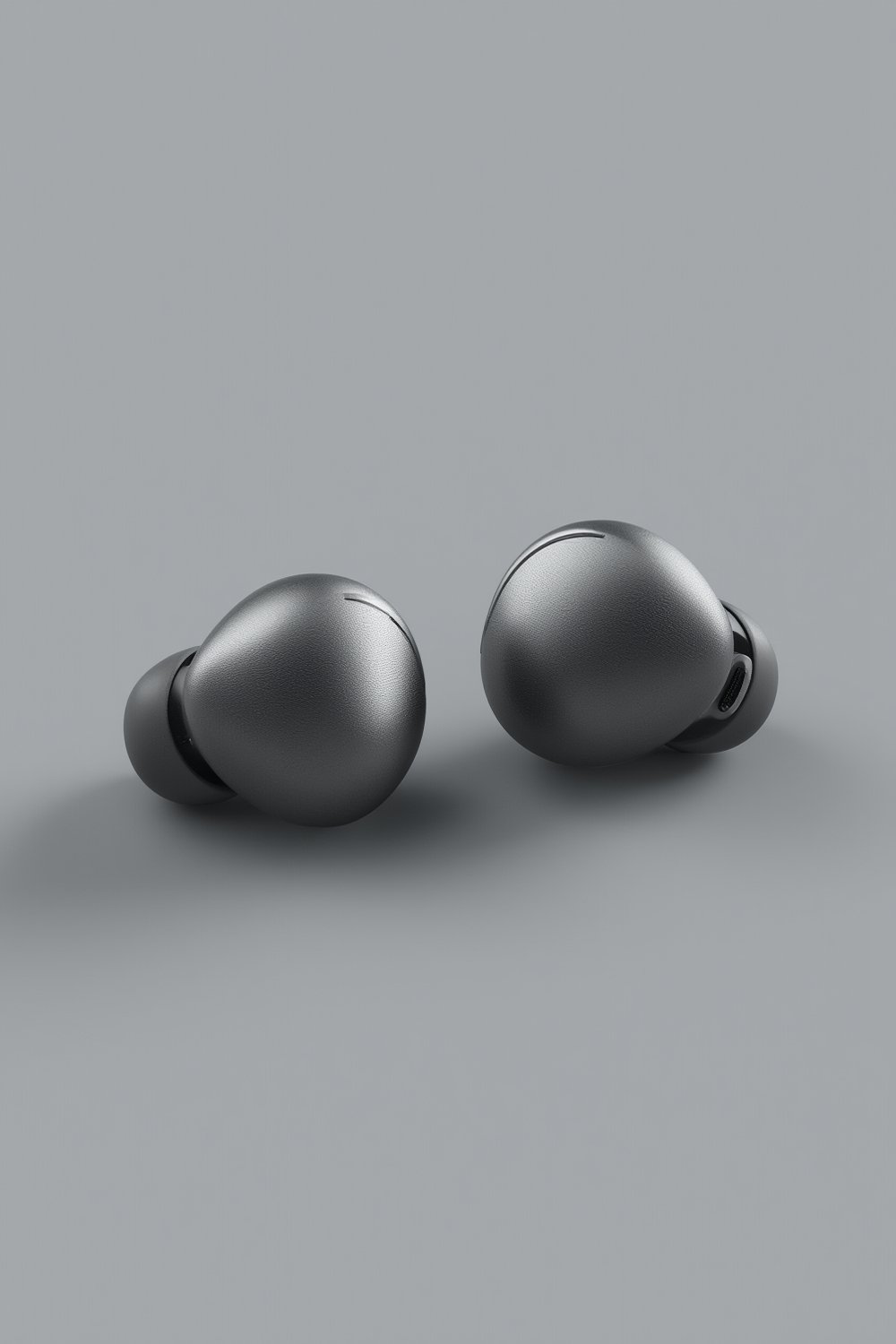
Industry analysts highlight four main drivers propelling this adoption: growing health awareness, rapid sensor innovation, demand for preventive care, and the hunger for real-time data. This is pushing leading brands—think Apple, Samsung, Garmin, and Jabra—to embed health features directly into earbuds. But with explosive growth comes heightened scrutiny on the specifics: Which metrics can earbuds reliably track? How secure is this data? And what differentiates a $60 pair from a $300 model?
What Can Today’s Biometric Earbuds Actually Track?
Most biometric earbuds today promise to measure core health metrics such as heart rate (HR), blood oxygen saturation (SpO2), and activity levels. They do this with miniaturized optical and inertial sensors packed inside each earbud. When paired with robust health monitoring apps, they can gather raw data, sync it to your phone, and, in some cases, push it to cloud-based analytics for long-range health insights.
Common metrics tracked by health monitoring earbuds include:
- Heart rate (using photoplethysmography or PPG sensors)
- Blood oxygen saturation (SpO2)
- Calorie estimation and basic activity tracking via accelerometers
- Sleep patterns (estimated with motion and heart rhythm data)
Integration with iOS and Android ecosystems is now the standard, though sensor validation and platform feature parity still lag behind the best smartwatches and specialized chest straps.
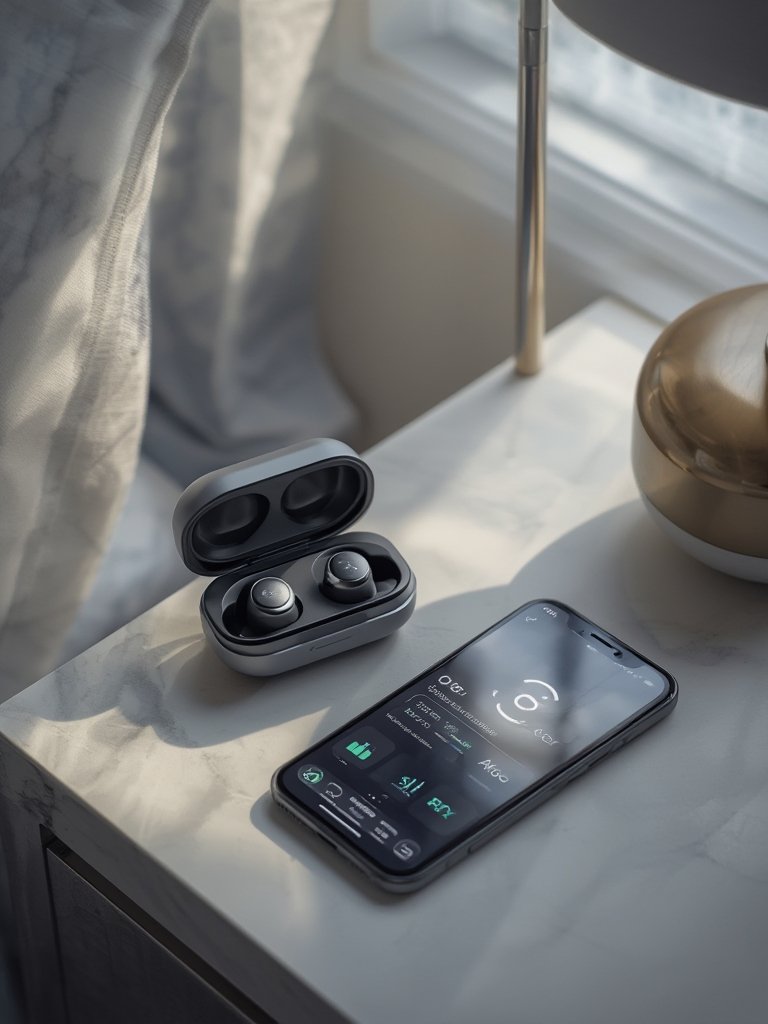
In practical use, the reliability of biometric earbuds gets mixed reviews. While they provide instant stats during exercise or daily routines, research shows that accuracy dips compared to tried-and-true chest straps or higher-end wrist wearables. If you are using earbuds as your only health tracking device, be aware that rare readings or outliers should be cross-checked with a secondary device—or even with clinical equipment if the stakes are high.
For more ideas to enhance your daily tech arsenal, see our advice on discovering the best tech accessories for every device.
Comparing Platform Support, Accuracy, and Sensors in Ear-Worn Health Devices
When stacked against other wearables, wearable health earbuds come with clear strengths and a few unresolved weaknesses. Platform support is solid—major brands back iOS and Android, with accompanying apps offering trend views, real-time dashboards, and sharing options. However, cross-manufacturer comparison exposes gaps:
| Device Type | Sensors Included | Platform Support | Accuracy (vs. Clinical) |
|---|---|---|---|
| Biometric Earbuds | Optical HRM, SpO2, Accelerometer | iOS/Android | Moderate (not clinically validated for all use cases) |
| Wrist Wearables | PPG HRM, ECG, SpO2, Accelerometer, Thermometer | iOS/Android | Good (many now FDA-cleared) |
| Chest Straps | ECG, HRM | iOS/Android/Bluetooth LE | High (clinic-grade for HR/ECG) |
Earable health trackers are quietly gaining ground thanks to comfort and discretion—but think twice before swapping them in for clinical validation. Accuracy, especially over months of use, is still waiting for thorough third-party comparison. For reliable biometric data that feeds into actionable health insights, many professionals keep a secondary, more validated device on hand.
Pricing and Feature Tiers of Wearable Health Earbuds in 2026
The wearable health earbuds landscape in 2026 features a broad range of prices and feature sets—a fact that can cause decision paralysis for professionals seeking health-grade accuracy, comfort, and battery life that matches their needs. Most entry-level biometric earbuds cost between $50 and $120, offering the basics: continuous heart rate sensing, SpO2, activity tracking, and integration with basic health apps.
Premium brands such as Apple, Bose, and Garmin can push pricing upwards of $250. These bring advanced perks like adaptive ambient modes, highly tuned fit customization, robust battery management, and more sophisticated app dashboards. Reliability and data quality are cited as differentiators at these higher price tiers, although specific clinical validation data is often missing from marketing materials.
For more on comparing gadgets before you buy, check out our best tech gadgets and accessories round-up.
The Most Common Friction Points with Health Monitoring Earbuds
Despite their rapid ascent, health monitoring earbuds introduce some realistic friction points:
- Accuracy variances: Sensor readings often fluctuate, especially during vigorous movement or spotty fit. One-off outliers are common, so avoid overreliance.
- Battery life: All-day monitoring compresses effective battery life—most models last 5–8 hours with health features enabled.
- Comfort for extended wear: Ears fatigue differently from wrists; physical irritation can limit continuous daily tracking.
- Data privacy concerns: Personal health data is often stored in proprietary clouds, sometimes lacking clear privacy controls.
- App ecosystem lock-in: Reports of syncing glitches and inconsistent data export across iOS/Android platforms are common.
Manufacturers still lag behind in solving these user pain points, focusing instead on feature additions and interface upgrades. This leaves many professionals juggling primary and secondary devices when health accuracy really matters.
For complementary products that support your mobile lifestyle (including chargers and power banks), see our portable power bank 30000 mAh and fast wireless charger guides.
Data Security, Regulatory Hurdles & Privacy in Earable Health Tech
Biometric earbuds sit in a gray regulatory zone. While privacy frameworks like HIPAA in the US and GDPR in Europe exist, most manufacturers aren’t explicitly covered. Lack of mature standards leaves room for accidental (or, in rare cases, intentional) breaches of health data privacy. Secure data transmission, strong encryption, and transparent user consent are far from guaranteed.
Another challenge is the slow pace of sensor validation: many earbud biometrics are not yet independently certified for clinical accuracy. This creates uncertainty for chronic disease management or high-stakes decision making. On top of these, device interoperability still struggles across healthcare systems, app platforms, and cloud providers. According to independent consultants, this is now a top concern for health-focused consumers and technologists alike.
For users comparing devices, our magnetic car wireless charger guide outlines how interoperability hurdles play out in tech ecosystems more broadly.
Underexplored Questions Consumers Should Be Asking
Competitor blogs often gloss over crucial, underexplored aspects of wearable health earbuds:
- Long-term accuracy: How do biometrics drift or degrade after 6–12 months of daily wear?
- Battery and comfort over an entire workday: What’s the real-world maximum for uninterrupted use, and how does ear fatigue set in?
- Cross-platform privacy and data risk: Does your health data stay secure and portable when switching between iOS, Android, and third-party vendors?
These questions are often buried under marketing noise. Demand clear answers from brands before investing in a new pair. And always consider legacy device support—when upgrades happen, will your historical health data seamlessly transfer?
Our electronics accessories buying guide can help demystify device compatibility headaches.
How Real Users Are (or Aren’t) Using Health-Tracking Earbuds
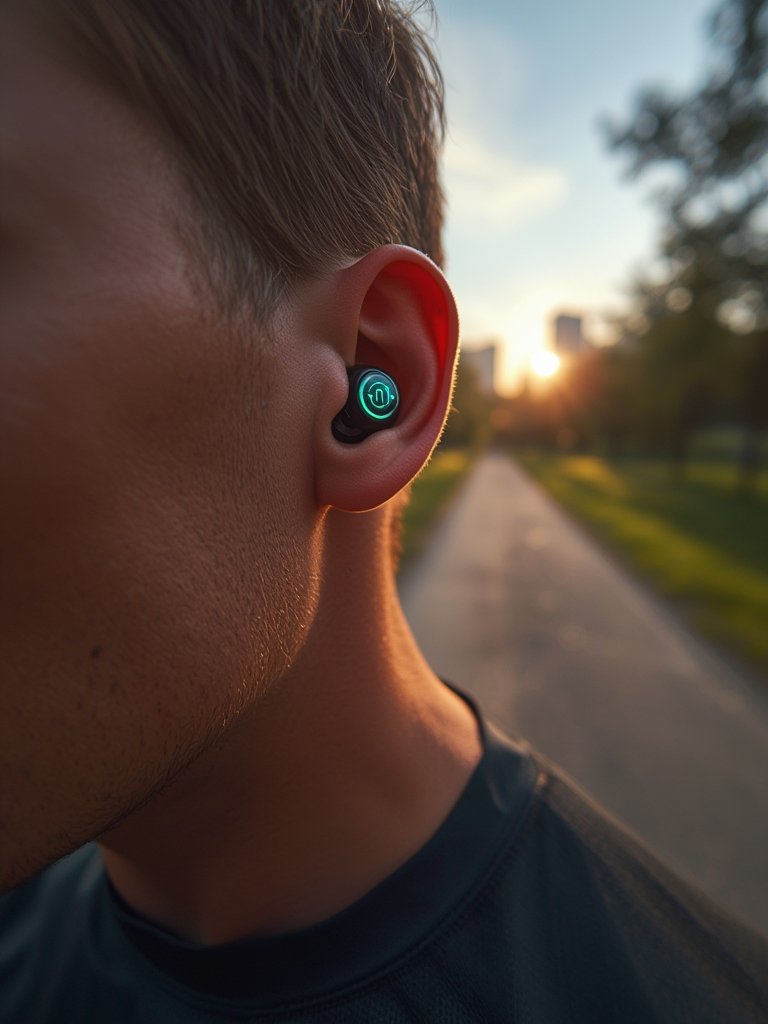
Despite heavy promotion, independent studies and user forums provide little published evidence of real users depending exclusively on biometric earbuds for health management. Most professionals report using them as adjuncts—quick checks during workouts, periodic insights throughout the workday, and supplementary monitoring during travel or sleep.
Where these devices do show value is early intervention and granular lifestyle analytics. The convenience of ear-worn sensors encourages more frequent health check-ins, and the non-intrusive design has inspired some to stick with daily metrics longer than with bulky wearables. But based on available research, robust clinical outcomes (such as chronic disease tracking or remote consultations) remain dominated by validated wrist or chest-worn wearables.
For users exploring broader smart home and lifestyle tech, our reviews of smart home security cameras highlight best practices for security and data management—skills that translate well to managing your wearable health data.
Conclusion
Wearable health earbuds make preventive health monitoring more accessible, integrating vital tracking into the rhythms of daily life. Yet before making the leap, weigh the tradeoffs between convenience, long-term accuracy, battery life, and trusted data privacy. As the field matures, expect stiffer requirements for clinical validation and more transparent privacy controls. For tech-savvy professionals, these factors should matter as much as feature lists—and drive smart adoption choices for wearable health earbuds.
Ready to upgrade your health routine with actionable biometric insights? Compare features, raise tough questions, and choose earbuds that match both your lifestyle and your privacy standards.
FAQ
Are wearable health earbuds as accurate as chest straps or smartwatches?
No. While biometric earbuds provide reliable data for casual tracking, validated chest straps or advanced smartwatches generally outperform them in sensor accuracy and consistency.
What health metrics do most health monitoring earbuds offer?
Most deliver continuous heart rate tracking, blood oxygen saturation, basic activity metrics, and some aspects of sleep tracking. Check each model for specifics, as features vary widely.
How private is my health data when using biometric earbuds?
Data privacy is a major concern—many earbuds sync to proprietary clouds, and not all brands are transparent about data handling. Always review privacy settings and, if possible, choose brands who publish their security protocols.
What apps do wearable health earbuds typically support?
Most major earbuds have proprietary apps compatible with iOS and Android, and often sync with Apple Health or Google Fit. Advanced third-party integration (with healthcare providers, for example) is still limited.
Do any earbuds offer certified medical-grade health tracking?
Not yet. The vast majority aren’t FDA-cleared or certified as medical devices; for clinical tracking, stick with chest straps or wearables that specifically advertise regulatory approval.